The Engineering Behind Linear Lighting: Integrating Flexibility with Power Stability

The landscape of modern architectural design has undergone a radical transformation over the last decade. As we move away from the bulky, rigid fixtures of the past, the industry has gravatated toward minimalist, hidden, and adaptable lighting solutions. This shift is not merely about aesthetics; it is about the integration of light into the very fabric of a building’s design. To achieve a seamless finish that lasts for years, professionals must look beyond the surface level and understand the intricate relationship between the light source and the electrical infrastructure that supports it.
The Evolution of Architectural Lighting
Modern lighting is no longer just a functional necessity; it is a design tool used to define spaces and influence mood. The rise of linear lighting has allowed architects to highlight contours, illuminate recessed coves, and provide task lighting in areas where traditional bulbs simply cannot fit. However, the success of these installations depends heavily on technical compatibility. When the components are mismatched, even the most beautiful design can suffer from premature failure, flickering, or uneven brightness. Understanding how to balance aesthetic versatility with electrical reliability is the cornerstone of professional lighting engineering.
Designing with Versatility: The Role of Flexible LED Strips
At the heart of this design revolution are Flexible LED Strips. These components offer a level of adaptability that was previously unthinkable. Unlike rigid bars, a high-quality flexible circuit can be manipulated to follow the curves of a custom-built reception desk or the sharp angles of a geometric ceiling installation.
The technical superiority of professional-grade strips often comes down to the construction of the Flexible Printed Circuit (FPC). High-performance versions utilize rolled-annealed copper rather than standard copper-clad boards, which significantly improves heat dissipation and prevents the circuit from cracking during installation. Furthermore, the choice between SMD (Surface Mounted Device) and COB (Chip on Board) technology plays a vital role in the final look. While SMD remains a versatile standard, COB technology has gained traction for its ability to provide a continuous, “dot-free” line of light even when placed in shallow profiles or behind thin diffusers. Protecting these delicate circuits is also a matter of engineering; selecting the correct IP rating ensures that the internal components remain shielded from dust and moisture, preserving the integrity of the phosphor coating and the light’s color consistency over time.
Efficiency Metrics: Power Factor and Thermal Management
A common oversight in lighting projects is the failure to account for thermal management. LEDs are highly efficient, but they still generate heat. When strips are mounted in confined spaces, that heat must be dissipated to prevent “lumen depreciation” the gradual dimming of the light. Using aluminum profiles as heat sinks is one part of the solution, but the other part is electrical efficiency.
High-quality systems focus on a high Power Factor (PF), which measures how effectively the system converts incoming AC electricity into usable DC power. A system with a low power factor draws more current than necessary, leading to increased heat in the wiring and components. By prioritizing Pulse Width Modulation (PWM) for dimming and ensuring that the electrical load is balanced, engineers can significantly extend the operational life of the entire installation.
The Unseen Backbone: Stability via a Dedicated LED Power Supply
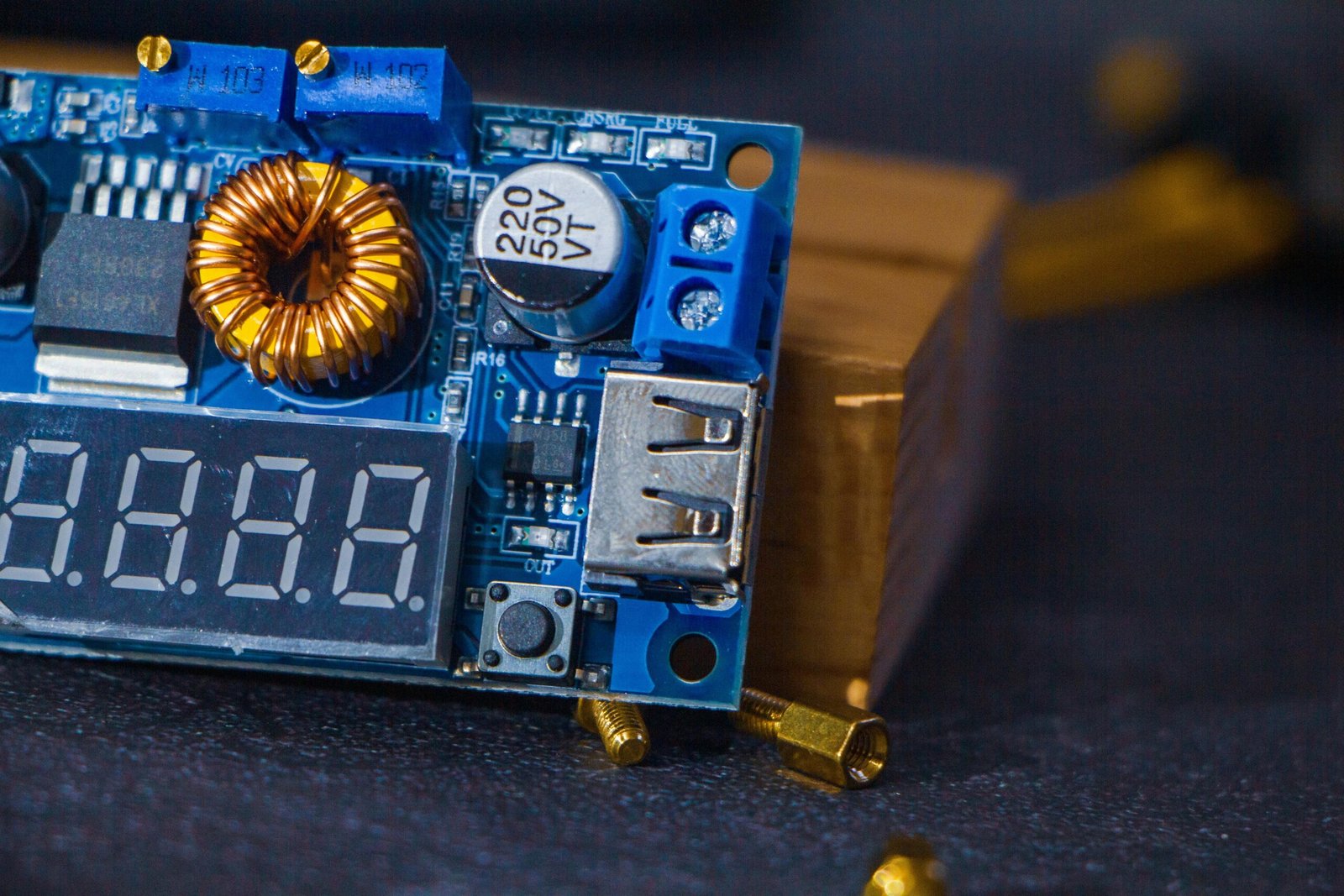
While the light itself gets all the attention, the true workhorse of any installation is the LED Power Supply. This component acts as the bridge between the high-voltage grid and the sensitive low-voltage semiconductors. Without a stable and precise DC output, even the most expensive lighting arrays are prone to instability.
The primary function of the driver is to mitigate voltage drop, a phenomenon where the resistance in the copper traces causes the light to dim as the distance from the power source increases. A dedicated, high-efficiency power unit ensures a constant 12V or 24V output, maintaining uniform brightness from the first inch of the run to the last. Beyond simple power delivery, professional units incorporate essential safety protocols, including over-voltage, short-circuit, and over-temperature protection. As interior designs become more compact, the engineering of these units has also evolved; “slim-size” and ultra-thin drivers are now common, allowing them to be hidden within narrow cabinetry or furniture without sacrificing air circulation or performance.
Implementation Best Practices
Executing a successful installation requires a calculated approach. One of the most important rules of thumb is the “80% rule,” which suggests that a power unit should never be loaded to more than 80% of its maximum rated capacity. This buffer prevents the unit from running at peak temperature, which reduces “driver fatigue” and ensures the system can handle minor fluctuations in the electrical grid.
Proper connection techniques are equally vital. In professional environments, relying on temporary pressure clips is often discouraged in favor of high-quality solder joints. Solder provides a more permanent, low-resistance connection that can withstand the natural expansion and contraction caused by thermal cycles. Additionally, managing static electricity during the handling of the components is crucial, as electrostatic discharge (ESD) can cause “latent defects” damage to the LED chips that isn’t immediately visible but causes them to fail months later.
Conclusion
The synergy between high-quality flexible lighting and its power source is the defining factor of a professional installation. By focusing on the technical specifications such as circuit board construction, thermal dissipation, and voltage regulation designers and contractors can create environments that are both visually stunning and mechanically sound. Moving away from generic, under-specified components in favor of engineered solutions ensures that a lighting project remains a sustainable, maintenance-free asset for the long term. When flexibility is paired with stability, the result is a sophisticated harmony of light and architecture.