Eduardo Tamayo: The Controversial Political Figure Behind Spain’s Historic “Tamayazo” Crisis
A Deep Insight into Power, Political Conflict, and Lasting Legacy

Introduction
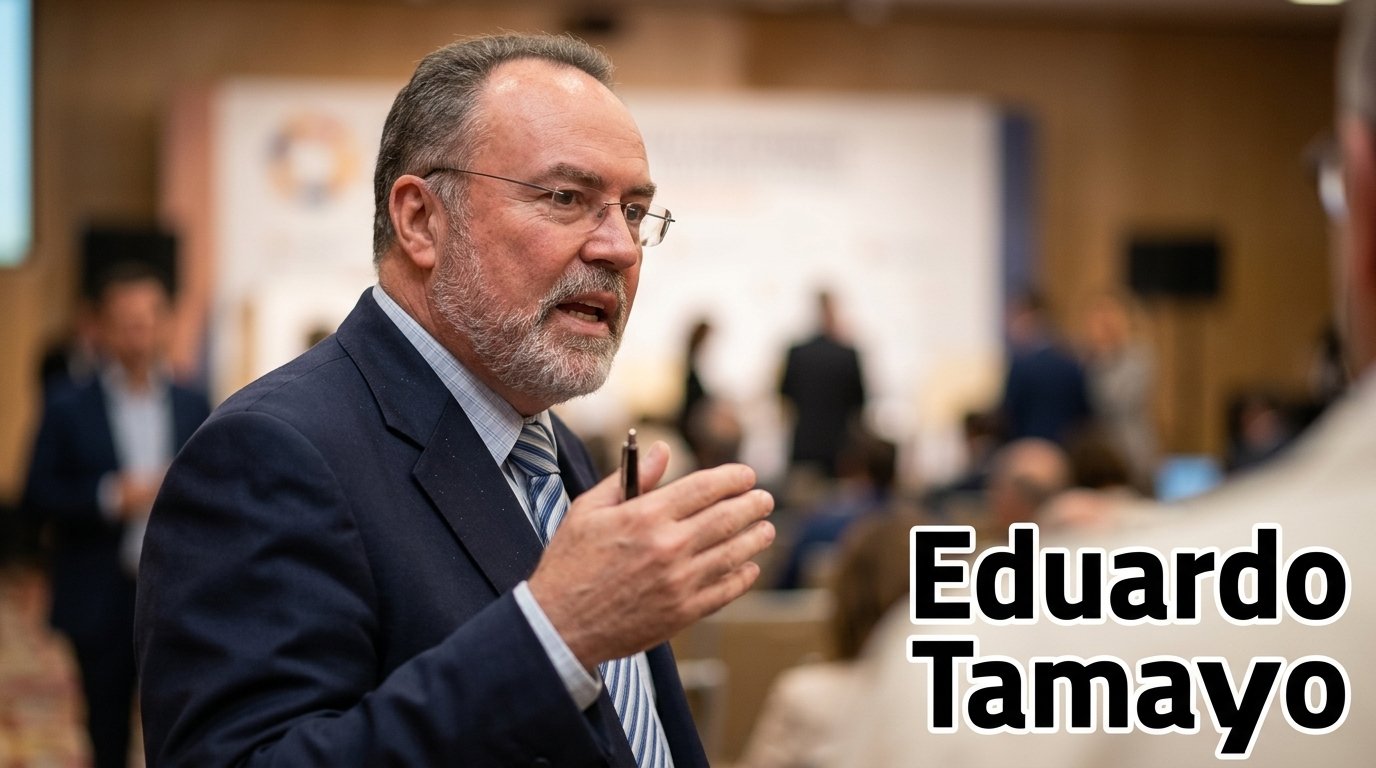
Eduardo Tamayo is a Spanish political figure widely recognized for his role in one of the most controversial political events in Madrid’s modern history. His name is strongly associated with the political crisis known as the “Tamayazo,” which reshaped regional politics and triggered new elections in the early 2000s. While some view him as a decisive actor in a complex political moment, others criticize his actions as a betrayal of democratic expectations.
His story represents a powerful mix of ambition, controversy, and political tension. Eduardo Tamayo’s case remains a key reference point in discussions about political loyalty, party discipline, and the fragile balance of parliamentary systems. Understanding his journey offers deeper insight into how individual decisions can influence entire governments.
Early Life and Educational Background
Background and Formative Years
Eduardo Tamayo Barrena was born in Spain in 1959. He grew up during a period of significant political transformation in the country, as Spain was transitioning from dictatorship to democracy. This environment shaped many young professionals of his generation, including Tamayo, who developed an early interest in law and governance.
His upbringing is often described as grounded and academically focused. He later pursued higher education in law, which became the foundation of his professional identity. His early life reflects a combination of discipline and ambition, which later influenced his entry into politics.
Academic Path and Legal Foundation
Eduardo Tamayo studied law at the Complutense University of Madrid, one of Spain’s most respected academic institutions. His legal education provided him with analytical skills and an understanding of legislative systems, both of which proved valuable in his political career.
After completing his studies, he worked as a lawyer. This professional experience allowed him to engage with legal frameworks and public institutions, shaping his perspective on governance and political structures. His academic and professional background positioned him for entry into Spanish politics during a period of rapid democratic development.
Political Career and Rise in Spanish Politics
Entry into PSOE and Political Growth
Eduardo Tamayo became involved with the Spanish Socialist Workers’ Party (PSOE) in the mid-1980s. His entry into the party marked the beginning of his formal political career. Over time, he gained recognition within regional political circles in Madrid.
He worked in various party roles, gradually building his reputation. His involvement in local governance helped him understand internal party dynamics and electoral strategies. However, his rise was also marked by internal tensions, which later became significant in his political trajectory.
Position in the Madrid Assembly
Tamayo eventually became a member of the Madrid Assembly, where he served as a deputy. His position placed him at the center of regional decision-making processes, allowing him to influence legislative discussions.
Although his career initially appeared stable, underlying disagreements within his political environment began to surface. These tensions would later play a critical role in one of the most debated political incidents in Madrid’s history.
The Tamayazo Political Scandal Explained
What Happened During the Crisis
The “Tamayazo” refers to a political crisis that occurred in 2003 in the Madrid regional parliament. Eduardo Tamayo, along with another deputy, abstained from a crucial vote that was expected to allow a left-wing government to form.
This unexpected abstention led to a political deadlock. As a result, the planned government could not be established, and new elections were called. The event shocked both political observers and the public, as it disrupted expected democratic outcomes.
Political Consequences and Public Reaction
The consequences of the incident were immediate and far-reaching. The failure to form a government led to accusations of betrayal within political circles. The PSOE faced internal turmoil, while opposition parties gained momentum in the following elections.
Public reaction was mixed, with some viewing the event as a political manipulation and others seeing it as evidence of deeper party conflicts. The term “Tamayazo” became widely used in Spanish political discourse, symbolizing unexpected political defection and controversy.
Public Image, Criticism, and Media Coverage
Media Attention and Public Debate
Following the crisis, Eduardo Tamayo became a central figure in Spanish media coverage. His actions were heavily analyzed, debated, and criticized. Media outlets frequently discussed his role in the parliamentary breakdown, making him a widely recognized but controversial figure.
The coverage shaped his public image significantly. While some narratives attempted to explain internal party disagreements, others portrayed him as responsible for destabilizing a democratic process.
Criticism and Political Isolation
Eduardo Tamayo faced strong criticism from political allies and opponents alike. Many within his former party distanced themselves from him, and his political career in mainstream politics effectively ended after the incident.
Despite the criticism, his case continues to be referenced in political discussions as an example of internal party conflict and its potential consequences. His name remains associated with political controversy in Spain.
Quick Bio
| Category | Details |
|---|---|
| Full Name | Eduardo Tamayo Barrena |
| Nationality | Spanish |
| Profession | Lawyer, Politician |
| Political Party | PSOE (former member) |
| Known For | “Tamayazo” political crisis (2003) |
| Education | Law degree, Complutense University of Madrid |
| Role | Member of Madrid Assembly |
Legacy and Impact on Spanish Politics
Eduardo Tamayo’s legacy is deeply tied to a single political event that had lasting consequences for Madrid’s governance. The “Tamayazo” remains a reference point in discussions about political loyalty, party discipline, and parliamentary stability.
His case is often studied in political science as an example of how internal disagreements can escalate into institutional crises. While his personal motivations remain debated, the impact of his actions is undeniable in shaping regional political history.
On a broader level, his story highlights both the strengths and vulnerabilities of democratic systems. It demonstrates how individual decisions can influence collective outcomes, sometimes in unexpected and far-reaching ways.
Conclusion
Eduardo Tamayo remains a controversial yet significant figure in Spanish political history. His involvement in the 2003 Madrid political crisis continues to be analyzed for its impact on democracy and governance. Whether viewed negatively or as part of a complex political struggle, his role in the “Tamayazo” has secured his place in political discussions.
His story reflects the unpredictable nature of politics, where alliances, decisions, and conflicts can reshape entire governments. It also serves as a reminder of how fragile political systems can be when internal divisions come to the surface.
FAQ
1. Who is Eduardo Tamayo?
Eduardo Tamayo is a Spanish lawyer and former politician known for his role in the 2003 Madrid political crisis called the “Tamayazo.”
2. What is the Tamayazo scandal?
It refers to a political event where Eduardo Tamayo and another deputy abstained from a key vote, preventing a government formation in Madrid.
3. Why is Eduardo Tamayo controversial?
He is controversial due to his unexpected political decision during the 2003 parliamentary vote, which caused a major political crisis.
4. What party did Eduardo Tamayo belong to?
He was a member of the Spanish Socialist Workers’ Party (PSOE) before leaving political activity after the scandal.
5. What is his legacy in Spanish politics?
His legacy is mainly associated with political controversy and is often studied as an example of internal party conflict affecting governance.
6. Is Eduardo Tamayo still active in politics?
No, he has not been active in mainstream politics since the events of 2003.