Polly Toynbee: The Powerful Voice of a British Journalist and Writer Who Reshaped Social Debate
A Fearless Yet Thought-Provoking Journey Through Inequality, Politics, and Public Conscience

Introduction
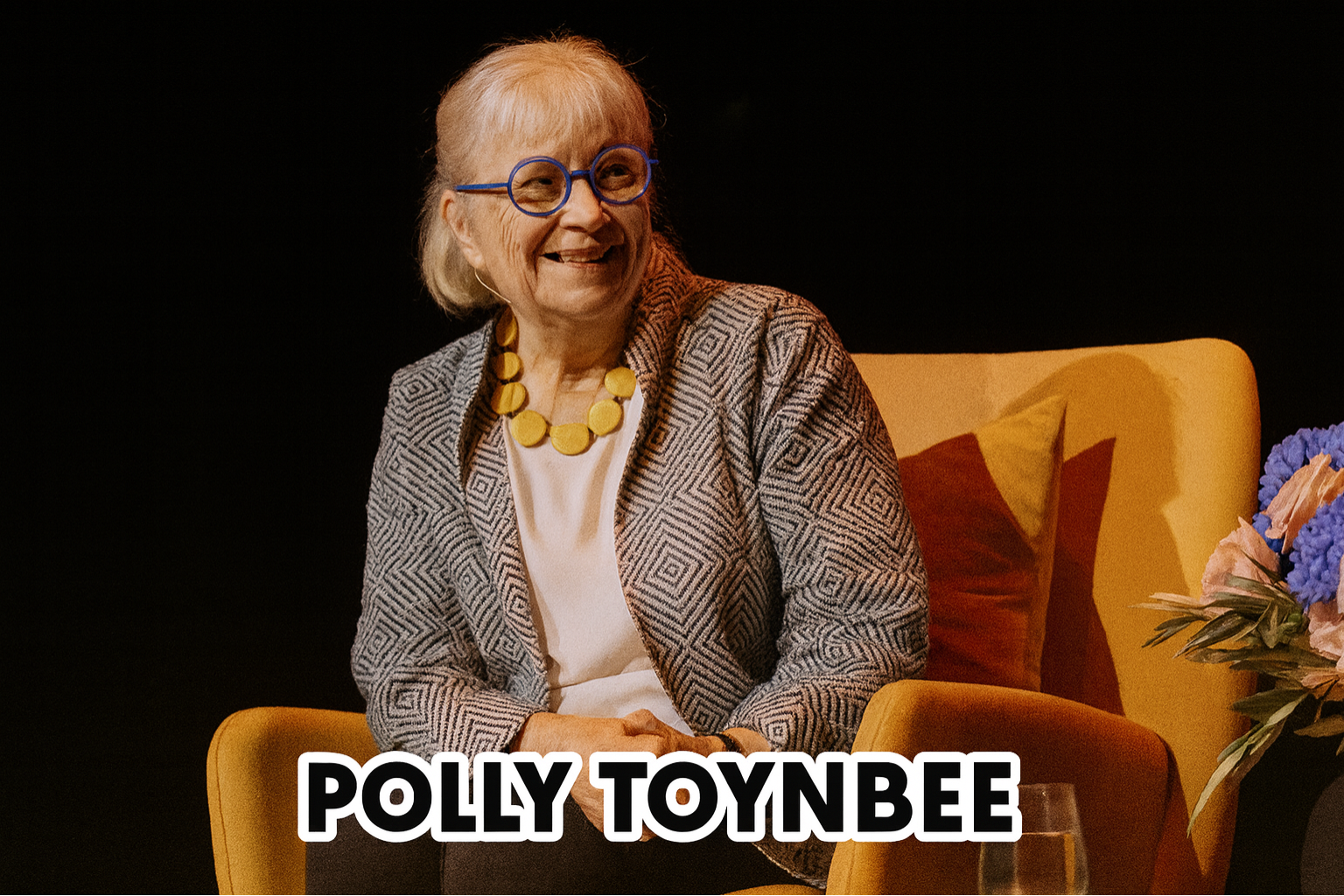
Polly Toynbee stands as one of the most powerful and uncompromising British journalists and writers of modern times. For decades, her words have challenged governments, questioned social structures, and defended some of the most vulnerable people in society. As a columnist, author, and public intellectual, she has reshaped how inequality, poverty, welfare, and class are discussed in Britain. Her influence is both inspiring and controversial, admired for its moral clarity and criticized for its fearless directness.
What makes Polly Toynbee’s journey especially compelling is the contrast between her privileged intellectual background and her relentless focus on the struggles of ordinary people. This tension between advantage and advocacy gives her work its emotional and political force. As a British journalist and writer, she has built a career that refuses comfort and demands accountability.
Quick Bio: Polly Toynbee
| Field | Information |
|---|---|
| Full Name | Mary Louisa “Polly” Toynbee |
| Date of Birth | 27 December 1946 |
| Age | 78 years (as of 2025) |
| Nationality | British |
| Birthplace | Yafford, Isle of Wight, England |
| Profession | British journalist and writer |
| Education | St Anne’s College, University of Oxford (History) |
| Known For | The Guardian columnist, social justice journalism |
| Humanist Role | Former President, now Vice-President of Humanists UK |
Early Life and Background
Polly Toynbee was born on 27 December 1946 in Yafford on the Isle of Wight, England. She grew up in a family deeply rooted in literature, history, and public thought. Her father was Philip Toynbee, a respected writer and literary critic, while her grandfather, Arnold J. Toynbee, was one of the most influential historians of the twentieth century. From the very start, she was immersed in a world of ideas, debate, and intellectual responsibility.
Her parents’ divorce when she was four years old led to a major shift in her childhood, as she moved to London with her mother. This early disruption gave her first personal insight into instability and social change. Growing up in London exposed her to wider political realities and cultural diversity, which later shaped her identity as a British journalist and writer concerned with society as a whole.
Education and Intellectual Formation
Polly Toynbee was educated at Badminton School in Bristol before moving to Holland Park School in London, a state comprehensive known for its progressive outlook. This mix of educational environments allowed her to experience both privilege and wider social reality. It shaped her understanding of class, opportunity, and social division from multiple angles.
She later won a scholarship to study History at St Anne’s College, University of Oxford. At Oxford, she developed the analytical tools that would define her career as a journalist and writer. Her academic training strengthened her ability to examine political systems, social structures, and historical patterns with precision. This intellectual foundation became central to her authority as a British journalist and writer.
Start of Career in Journalism
Polly Toynbee began her professional journalism career at The Observer in the late 1960s. At a time of political change, student movements, and social reform, she entered the newsroom with a sharp awareness of the forces reshaping Britain. Her early reporting focused on social issues rather than celebrity or entertainment, setting the tone for a career grounded in public responsibility.
These formative years gave her experience in investigative reporting, political commentary, and first-hand observation of social struggle. From the beginning, her voice stood out for combining empathy with intellectual sharpness. This balance later became a defining feature of her work as a British journalist and writer.
BBC Career and National Influence
In 1988, Polly Toynbee joined the BBC as Social Affairs Editor, a position she held until 1995. During this period, she reported extensively on poverty, welfare reform, housing, employment, and inequality. Her work at the BBC placed her at the heart of national policy debate and public broadcasting.
Her reporting did not simply describe social problems—it humanised them. By focusing on lived experience as well as policy, she brought abstract political decisions into the daily lives of viewers. This approach strengthened her reputation as a British journalist and writer who believed journalism should serve public understanding rather than political convenience.
The Independent and the Expansion of Her Public Voice
After leaving the BBC, Polly Toynbee joined The Independent as a columnist and associate editor. This move allowed her greater freedom to express political judgment and moral argument. Her commentary during this period further sharpened her critical voice, especially on matters of welfare, inequality, and public services.
This phase of her career demonstrated her growing role not just as a reporter, but as a national commentator. She became known for work that combined factual analysis with moral urgency. By this stage, she was firmly established as one of Britain’s most influential journalists and writers.
The Guardian and National Authority
Since 1998, Polly Toynbee has been a senior columnist at The Guardian, a role that has defined much of her later career. Her columns regularly address social injustice, economic inequality, secularism, public spending, and political accountability. Week after week, her writing shapes debate among policymakers, academics, and the public.
As a British journalist and writer at The Guardian, she is both admired and challenged for her clarity of conviction. Supporters see her as a fearless champion of fairness. Critics view her as uncompromising. Yet even critics acknowledge the power of her influence in shaping national conversation.
Books and First-Hand Social Writing
Polly Toynbee is also a highly respected author of books examining British society. One of her most notable works is Hard Work: Life in Low-Pay Britain, a book based on a year she spent working minimum-wage jobs to understand poverty from direct experience. Rather than writing from distance, she chose immersion.
This approach strengthened her credibility as a British journalist and writer committed to lived reality rather than theory alone. Her books combine investigative research with moral reflection, making complex social issues understandable and emotionally resonant for readers.
Humanism and Public Advocacy
Beyond journalism and writing, Polly Toynbee has played a major role in humanist and secular advocacy. She served as President of Humanists UK from 2007 to 2012 and continues as a Vice-President. In this role, she has defended secular values, human rights, and rational public policy.
Her advocacy reflects a deep commitment to equality and freedom of thought. As a British journalist and writer, she has consistently argued that public life should be guided by reason, compassion, and fairness rather than privilege or dogma.
Source of Income
Polly Toynbee’s income is generated through her long-standing professional work in journalism, authorship, broadcasting, and public speaking. As a senior newspaper columnist and widely read author, her earnings reflect a career built on intellectual labor and public communication rather than commercial enterprise. Her financial life, like her professional life, remains firmly rooted in media, writing, and public debate.
Latest Work and Ongoing Influence
Polly Toynbee remains active as a leading political columnist and public intellectual. She continues to write influential commentary on current affairs, social justice, and public policy. Her participation in literary festivals and public debates keeps her voice central to Britain’s ongoing moral and political discussions.
Even in later stages of her career, her work remains as sharp and urgent as ever. As a British journalist and writer, she continues to question authority and defend vulnerable communities with unwavering consistency.
Legacy of Polly Toynbee
The legacy of Polly Toynbee is defined by courage, persistence, and moral clarity. She has spent her life forcing difficult issues into the public eye and refusing to allow inequality, poverty, or injustice to remain invisible. Her influence extends beyond journalism into the wider moral conscience of British society.
As a British journalist and writer, she has changed how social policy is debated and how political choices are judged. Her work stands as proof that journalism, when practiced with integrity and empathy, can act as a powerful force for accountability and social reform.
Conclusion
Polly Toynbee’s career is a testament to the enduring power of words in shaping society. From her early reporting at The Observer to her national influence at The Guardian, she has remained steadfast in her mission to speak for those whose voices are often ignored. Her writing is both empowering and uncomfortable, inspiring and challenging.
As a British journalist and writer, she leaves behind a legacy of fearless truth-telling and unwavering commitment to justice. In a world of shifting political pressures, her voice remains a constant reminder that public debate must always serve the people.
Frequently Asked Questions (FAQ)
Who is Polly Toynbee?
Polly Toynbee is a British journalist and writer best known as a long-serving columnist for The Guardian and a leading voice on social justice and inequality.
What is Polly Toynbee famous for?
She is famous for her political and social commentary, investigative writing on poverty, and her book Hard Work: Life in Low-Pay Britain.
Where was Polly Toynbee born?
She was born in Yafford on the Isle of Wight, England.
What does Polly Toynbee write about?
She writes about inequality, welfare, public policy, secularism, human rights, and social justice.
Is Polly Toynbee still active as a journalist?
Yes, she remains active as a senior columnist, author, and public speaker.