Joe Orton: The Fearless Playwright and Writer Who Shattered British Theatre Norms
A Bold Life of Wit, Rebellion, Genius, and Tragic Silence

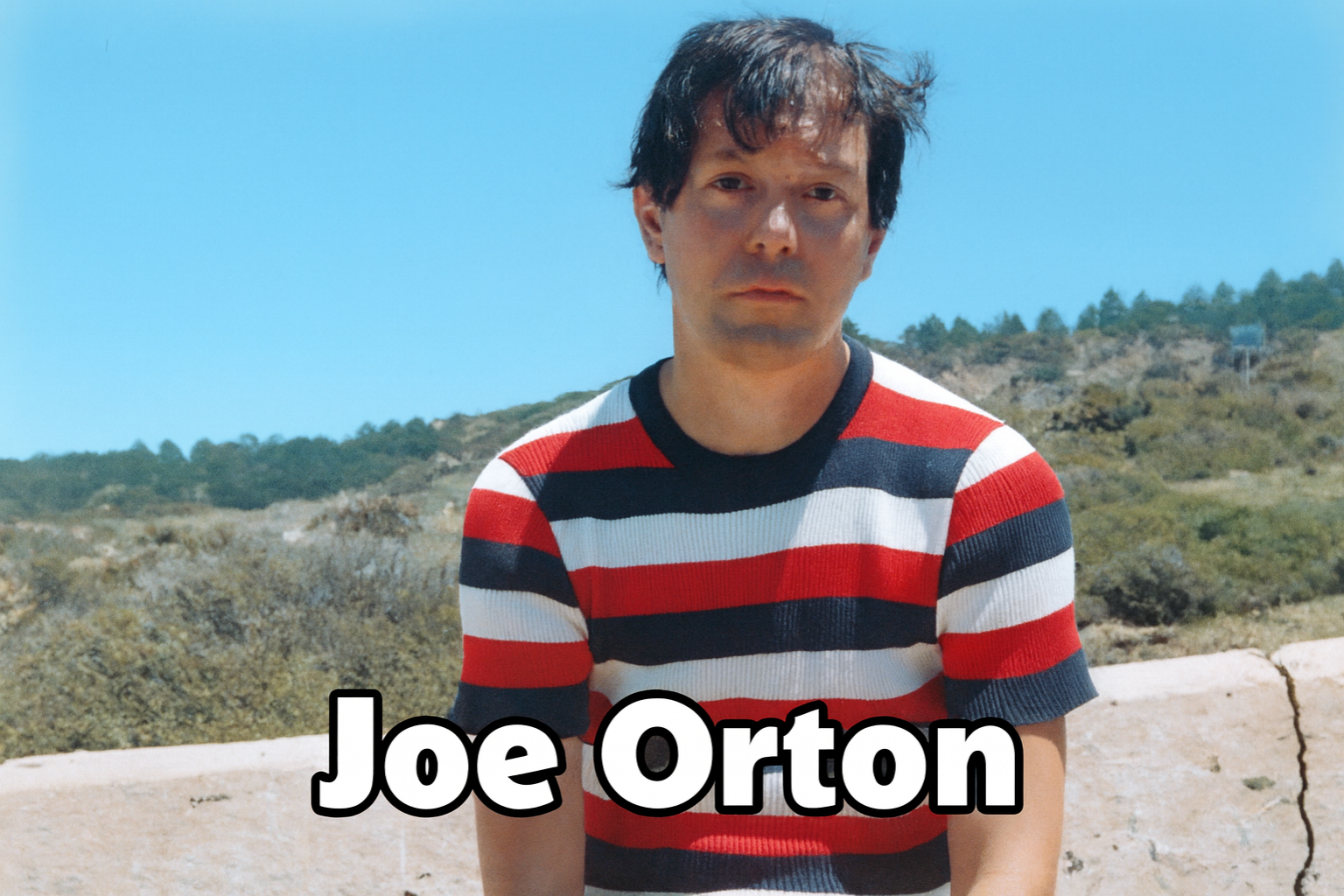
Introduction
Joe Orton remains one of the most electrifying and revolutionary voices in modern British theatre. Known for his biting humour, dark satire, and uncompromising exploration of social hypocrisy, he reshaped the landscape of theatrical storytelling in just a few short years. As a Playwright and writer, Joe Orton challenged authority, mocked societal pretence, and created a body of work that still feels daring today. His life was short but unforgettable, filled with artistic courage, cultural rebellion, and a legacy that continues to inspire new generations of dramatists.
His rise from a working-class childhood in Leicester to becoming one of Britain’s most important comedic dramatists represents a powerful story of resilience and creative bravery. Joe Orton’s plays changed the rhythm of the stage, and although his life ended tragically, his influence burns brightly through every revival, analysis, and theatrical study of his extraordinary work.
Quick Bio
| Attribute | Details |
|---|---|
| Full Name | John Kingsley Orton |
| Professional Name | Joe Orton |
| Date of Birth | 1 January 1933 |
| Birthplace | Leicester, England |
| Nationality | British |
| Profession | Playwright and writer |
| Known For | Loot, Entertaining Mr Sloane, The Ruffian on the Stair, What the Butler Saw |
| Source of Income | Playwriting and dramatic writing |
| Start of Career | Early 1960s |
| Died | 9 August 1967, London |
Early Life and Background
Growing Up in Leicester
Joe Orton was born in 1933 in Leicester, where he grew up in a working-class family and lived on a council estate. His upbringing exposed him to the struggles and humour of everyday life, shaping the authentic and often rebellious voice that would define his writing. He showed an early interest in drama and performance, though his path toward a creative career was far from straightforward.
As a child, Orton faced educational difficulties and did not follow the traditional academic route. Despite these challenges, he nurtured a deeper interest in performance and language, eventually aligning his ambitions with the stage. His working-class background helped him develop a strong awareness of social structures, inequality, and hypocrisy — themes that later became central to his plays.
The Turning Point: Training at RADA
In 1951, Joe Orton won a scholarship to the Royal Academy of Dramatic Art (RADA). This opportunity marked a major turning point in his artistic development. Although he initially trained as an actor, it was during this period that he began shaping his identity as a writer. His time at RADA introduced him to the world of professional theatre and exposed him to the discipline and intensity of performance.
While training, he met Kenneth Halliwell, who became both his partner in life and his early collaborator in creative work. Their intense artistic bond influenced Orton’s thinking and helped him refine his understanding of literary structure and dramatic expression.
The Path to Playwriting
Moving from Acting to Writing
After graduating from RADA, Orton attempted to build an acting career but found limited opportunities. Instead of viewing this as a setback, he shifted toward writing — a decision that allowed him to express the sharp wit, humour, and social observations that would soon define his professional legacy.
Throughout the late 1950s and early 1960s, Joe Orton wrote with relentless dedication, even during periods of poverty and obscurity. His early years were marked by perseverance, experimentation, and a growing mastery of comedic structure.
A Creative Breakthrough
Orton’s breakthrough came in 1964 when his radio play The Ruffian on the Stair was broadcast. This marked the beginning of a short but explosive career. The play showcased his distinct style — a daring blend of dark humour, emotional tension, and social commentary.
In the same year, Entertaining Mr Sloane premiered and became a sensation. Its provocative themes, moral questioning, and sharp comedic tone shocked audiences and impressed critics. Joe Orton had arrived as a major new voice in British theatre.
Career Highlights and Major Works
Entertaining Mr Sloane
This play exposed social hypocrisy and blurred moral boundaries, combining humour with discomfort. The boldness of its content generated controversy but also earned Orton immediate acclaim. The play’s success laid the foundation for his theatrical identity.
Loot
A masterpiece of farcical satire, Loot attacked institutions such as the police, religion, and social respectability. Orton’s fearless mockery of authority cemented his reputation as a radical playwright unafraid to confront taboo topics.
What the Butler Saw
Completed shortly before his death and performed posthumously, this play represents Orton at his most confident and outrageous. It is still widely admired for its sharp dialogue and chaotic portrayal of moral collapse.
Dramatic Characteristics
Joe Orton’s writing is remembered for:
- Dark humour
- Satire of social norms
- Irreverence toward authority
- Rapid-fire dialogue
- Uncomfortable but engaging comedy
His distinctive style gave birth to the term Ortonesque, now used to describe works that blend farce with biting social critique.
A Life Cut Short
The Final Tragedy
On 9 August 1967, Joe Orton’s life ended in a shocking tragedy. His partner, Kenneth Halliwell, killed him and then took his own life. At only 34 years old, Orton’s rapidly rising career was cut short, leaving the theatrical world in disbelief.
Despite his brief career, Joe Orton produced a body of work that transformed British theatre and continues to influence writers and performers worldwide.
Latest Influence and Ongoing Recognition
Continued Popularity
While Orton’s personal life ended decades ago, his work remains vibrant and widely performed. Theatre companies across the world still revive his plays, and academic institutions study his contributions to modern comedy and satire.
His diaries, surviving works, and letters continue to inspire playwrights and dramatists seeking boldness, originality, and emotional honesty in their craft.
Legacy
Joe Orton’s legacy is defined by fearlessness, innovation, and the power of provocative storytelling. As a Playwright and writer, his influence extends far beyond his lifetime. He challenged conventions, exposed societal contradictions, and used humour as a weapon against injustice and pretence. Today, Joe Orton stands as a cultural icon whose work remains relevant, compelling, and unmistakably unique.
Conclusion
Joe Orton’s life may have been brief, but his impact on modern theatre remains extraordinary. In just a few years, he transformed from an unknown writer into one of Britain’s most fearless creative voices. His bold humour, sharp critique of authority, and daring exploration of social hypocrisy pushed the boundaries of what theatre could express. As a Playwright and writer, Orton challenged audiences to confront uncomfortable truths while still captivating them with wit, energy, and originality.
Even decades after his death, Joe Orton’s plays continue to resonate because they speak to universal human flaws, contradictions, and desires. His courage to question norms and expose societal pretence ensures his place among the most influential dramatists of the twentieth century. Joe Orton’s legacy is not simply the work he produced — it is the creative bravery he embodied, inspiring future writers to disrupt, challenge, and reimagine the world through art.
FAQs
1. Who was Joe Orton?
Joe Orton was a British Playwright and writer known for his dark comedies, sharp wit, and groundbreaking theatrical style.
2. What are Joe Orton’s most famous plays?
His best-known works include Entertaining Mr Sloane, Loot, The Ruffian on the Stair, and What the Butler Saw.
3. How did Joe Orton die?
He was tragically killed by his partner in 1967.
4. Why is Joe Orton important?
He reshaped British theatre with bold satire, fearless critique of authority, and innovative comedic techniques.
5. Where was he born?
He was born in Leicester, England, in 1933.