Festival season in India is unforgettable, but it plays by different rules to “normal” travel. The days are louder, later, and more crowded. Prices move fast, transport fills up, and even simple things like finding a taxi or buying water can take twice as long when half the city is out celebrating.
If you’re looking at flights to India and thinking about timing your trip around Holi, Diwali, or Navratri, plan for energy rather than perfection. The best festival trips are not the ones that squeeze in the most places, but the ones that leave you with enough breathing room to actually enjoy the atmosphere.
This guide is travel-smart and realistic. It covers where to go, what to expect, how to manage crowds, and how to join in respectfully without feeling wrung out by day three.
The one decision that prevents most burnout: pick one festival base
Most people crash because they stack too much. A festival week is not the time to do a new city every other day. Choose one main base and go deeper.
A festival-friendly structure that works:
- Arrive two days before the key celebration
- Stay through the main night or peak day
- Keep one quieter “recovery day” afterwards
- Move on only if you still feel good
That recovery day is where the trip stays enjoyable. Without it, you’re running on fumes.
Holi: colour, chaos, and choosing the right intensity
What it feels like
Holi is joyful, playful, and brilliantly messy. In many places it starts early, peaks by late morning, then calms down. Streets can go from “quiet” to packed in minutes, and you will be covered in colour faster than you expect.
Where to go for Holi, depending on your comfort level
- Jaipur or Udaipur for a lively atmosphere with easier logistics and plenty of accommodation options that host their own celebrations.
- Delhi if you keep it contained, for example a hotel event or a community celebration, rather than trying to roam at random.
- Mathura and Vrindavan are famous for a reason, but they can be very intense. Amazing if you know what you’re signing up for, not the easiest first-festival choice.
Crowd management that actually helps
Decide your boundary in advance. It sounds boring, but it stops the day from spiralling.
- Start early and finish early
- Carry minimal valuables and keep them sealed
- Wear clothes you do not mind sacrificing
- Choose accommodation you can retreat to quickly
If you want the “Holi feeling” without the free-for-all, book a stay that runs a courtyard Holi. You still get colour, music, and the social buzz, but you can step away when you’ve had enough.
Respectful participation
Ask before applying colour to anyone. Some people are not participating, some are working, and some simply do not want colour on them. A smile and a small gesture goes a long way. Keep colour away from eyes, avoid throwing powder at animals, and try to use skin-safe colour if you can.
Diwali: lights, markets, and a more family-shaped festival
What it feels like
Diwali is less “one street party” and more a whole-country mood shift. Homes are decorated, markets are busy, sweets appear everywhere, and evenings feel warm and celebratory. Depending on where you are, fireworks may be part of the night, sometimes late.
Where to go for Diwali
- Jaipur is a strong first-timer pick because the city lights up and the festive mood is visible everywhere.
- Mumbai gives you a modern, big-city Diwali with great food and neighbourhood energy.
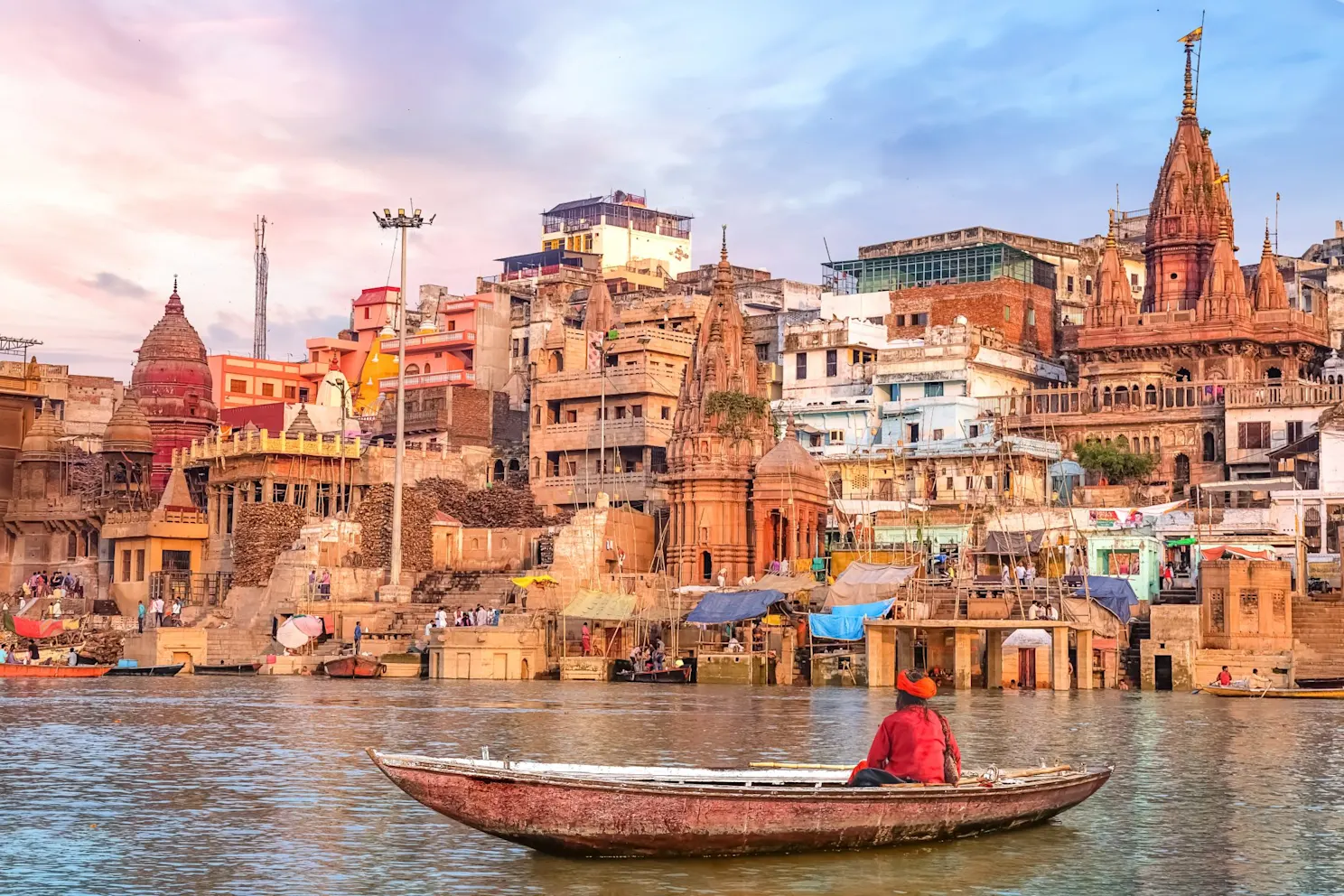
- Varanasi can be extraordinary around festival time, but it is busy and can be tiring. Better if you’re comfortable with crowds, early starts, and intensity.
A small planning note that matters: the days before Diwali are often the best part. Markets, decorations, and the build-up can be more enjoyable than trying to “capture” the peak night perfectly.
Crowd management for Diwali
Diwali crowds are usually worst in markets and popular evening promenades.
- Do markets late morning or early afternoon, not at dusk
- Plan one main “lights walk” in one area, not across the whole city
- Expect traffic delays and fewer available rides in the evening
If you’re sensitive to sound, carry earplugs. Fireworks can be loud and sporadic depending on the neighbourhood.
Respectful participation
Diwali is often family-focused. The most natural way to join in is through small, invited moments. If your hotel offers diya lighting or sweets, join quietly, dress a little nicer in the evening, and keep your behaviour gentle. It’s a festival where people often make an effort, and matching that tone goes a long way.
Navratri: dance nights, devotion, and choosing the right region
What it feels like
Navratri runs for nine nights. In some places it’s calm and devotional, centred around temples. In others it’s energetic and social, with garba and dandiya nights that feel like the whole city is moving in rhythm.
Where to go for Navratri
- Ahmedabad or Vadodara (Gujarat) for big, iconic garba nights with strong local participation.
- Delhi or Mumbai for ticketed community events that can be easier for visitors to navigate.
- Smaller towns can be beautiful too, but your experience will be more local and less “organised”, which can be either perfect or confusing depending on your style.
The best Navratri hack is pacing. You do not need all nine nights. Pick one or two, then rest.
Crowd management
Navratri is often structured, which helps.
- Choose one venue and arrive early
- Eat before you go so you are not hunting for food at midnight
- Plan your return transport in advance, especially if events end late
Respectful participation
If you join garba, dress modestly and follow the flow. Watch for a few minutes first if you’re unsure. Avoid pushing in for photos. People are usually welcoming when you approach with genuine curiosity and a little humility.
The burnout-proof festival routine
Plan one peak moment per day
A morning market plus an evening celebration is plenty. Add a midday rest and you’ll actually enjoy both.
Choose accommodation that helps you recover
During festivals, your hotel is not just a bed. It’s your recharge station.
Prioritise reliable hot water, a calm room, and an easy pickup point for rides.
Avoid travelling on the peak day
Arrive before the main day and leave after. Travelling on Holi morning or Diwali afternoon is how people end up exhausted and irritated.
Eat and hydrate like it matters
Crowds and heat make people forget basics. Carry water. Keep snacks. Do not let your first proper meal happen at 10pm.
Photograph with care
Festivals are visually stunning, but people are not props. Ask before close photos. If it’s a no, move on. You’ll get better shots focusing on atmosphere anyway: colour in the air, lights on streets, hands moving in dance circles, the texture of crowds.
Smart swaps that make festival travel easier
If you want Holi but fear intensity, choose a hotel-hosted event over the busiest street scene.
If you want Diwali lights without the full fireworks chaos, base yourself in a calmer neighbourhood and do one evening walk, not multiple nights out.
If you want Navratri garba but hate late nights, go early, enjoy the first wave, and leave before the end crush.
The point is to feel it, not endure it
Holi, Diwali, and Navratri can be the highlight of a first India trip, but only if you stop treating festivals like a side activity. Pick one base, build in buffer time, choose the version of the festival that fits your comfort level, and participate respectfully. Do that, and you’ll come away with vivid, warm memories, not just a story about how tired you were.