That sharp, sudden wince when you take a sip of an iced drink or a spoonful of hot soup is a sensation millions of people know all too well. Tooth sensitivity – or “dentinal hypersensitivity” – is one of the most common dental complaints in the UK. For some, it is a minor annoyance; for others, it is a significant discomfort that dictates what they can eat, drink, or even how they breathe in cold air.
The good news is that you do not have to live with the pain. Modern dentistry offers a wealth of solutions that go far beyond “sensitive” toothpaste. By understanding the underlying biology of why your teeth react to temperature and pressure, you can take proactive steps to restore your comfort.
In this comprehensive guide, we will explore the science of sensitivity, the everyday habits that contribute to it, and the professional treatments available at Dentartistry in Lee, London, to provide long-term relief.
1. The Science of Sensitivity: What is Happening Inside the Tooth?
To understand sensitivity, we first need to look at the anatomy of a tooth.
A healthy tooth is covered by a layer of enamel, the hardest substance in the human body. Enamel protects the crown of the tooth (the part you can see). Below the gum line, a layer called cementum protects the tooth root.
Underneath both the enamel and the cementum lies dentin. Dentin is less dense than enamel and contains microscopic tubules – tiny hollow canals that lead directly to the tooth’s dental pulp, where the nerves live.
When the protective layer of enamel or cementum thins or wears away, these tubules become exposed. This allows heat, cold, or acidic substances to travel down the tubes and stimulate the nerves inside the tooth, resulting in that characteristic jolt of pain.
2. Common Causes of Sensitive Teeth
Sensitivity is rarely a random occurrence; it is usually a symptom of a change in your oral environment. Here are the most frequent culprits:
Over-Aggressive Brushing
Many people believe that the harder they brush, the cleaner their teeth will be. In reality, “scrubbing” the teeth with a hard-bristled brush can wear down enamel and cause the gums to recede. Once the gums pull back, the sensitive root surface is exposed.
Acidic Erosion
Regularly consuming highly acidic foods and drinks – such as citrus fruits, fizzy drinks, and wine – can chemically dissolve the enamel over time. This process, known as dental erosion, thins the protective “shield” of your teeth.
Gum Disease (Periodontitis)
Gingivitis and periodontitis cause the gum tissues to become inflamed and pull away from the tooth. This creates “pockets” that expose the cementum on the roots, which is much thinner and more sensitive than the enamel on the crown.
Tooth Grinding (Bruxism)
If you wake up with a sore jaw or a dull headache, you may be grinding your teeth at night. The immense pressure of grinding can cause micro-fractures in the enamel and wear down the biting surfaces, bringing the dentin closer to the surface.
Recent Dental Work
It is quite common to experience temporary sensitivity after a filling, a crown, or a professional whitening treatment. This is usually “pulpitis” (inflammation of the nerve) and typically settles down within a few days or weeks.
3. At-Home Remedies: The First Line of Defence
For mild sensitivity, the following changes to your daily routine can make a significant difference:
- Switch to Desensitising Toothpaste: These toothpastes contain compounds like potassium nitrate or stannous fluoride, which help block the transmission of signals from the tooth surface to the nerve. Note: You usually need to use these consistently for at least two weeks before noticing a change.
- Use a Soft-Bristled Brush: Swap your hard or medium brush for a soft one, and consider an electric toothbrush with a pressure sensor that alerts you if you are pressing too hard.
- Fluoride Mouthwash: A daily alcohol-free fluoride rinse can help re-mineralise enamel and strengthen the tooth surface.
- Mind Your Diet: Try to limit acidic intake. When you do have acidic drinks, use a straw to bypass the teeth, and avoid brushing for at least 30 minutes afterwards to allow your enamel to re-harden.
4. Professional Solutions: When Home Care Isn’t Enough
If your sensitivity is persistent or prevents you from enjoying your favourite foods, it is time to seek professional intervention. Modern dental clinics have access to advanced materials and techniques that offer more immediate and durable relief.
Fluoride Varnishes and Gels
During a check-up, a dentist can apply a high-concentration fluoride varnish to the sensitive areas. This is a quick, painless procedure that strengthens the enamel and significantly reduces the permeability of the dentin tubules.
Bonding and Desensitising Agents
If the sensitivity is caused by localised enamel loss or exposed roots, a tooth-coloured “bonding” resin can be applied. This acts as a permanent synthetic seal over the exposed dentin, effectively blocking out external stimuli.
Inlays, Onlays, or Crowns
In cases where the enamel is severely worn or a tooth is fractured, a more substantial restoration may be required. An inlay or a crown covers the entire biting surface, protecting the underlying dentin from temperature changes and pressure.
Gum Grafts
If the primary cause of sensitivity is severe gum recession, a surgical gum graft may be recommended. By taking a small amount of tissue from elsewhere in the mouth and placing it over the exposed root, the dentist can restore the natural protection of the tooth and improve the aesthetics of your smile.
Root Canal Treatment
In rare and extreme cases where sensitivity is constant and debilitating, the nerve of the tooth may be permanently damaged. A root canal removes the inflamed pulp, eliminating the source of the pain entirely while saving the physical structure of the tooth.
5. The Link Between Sensitivity and Cosmetic Dentistry
Many patients hesitate to pursue cosmetic treatments like teeth whitening because they fear it will worsen their sensitivity.
While older whitening methods could be harsh, modern professional whitening systems are designed with sensitivity in mind. Dentists can now use desensitising pre-treatments and “cool” light technology to minimise nerve irritation. Furthermore, treatments like composite bonding can actually solve sensitivity while simultaneously closing gaps or fixing chips, providing a dual benefit of comfort and confidence.
6. How to Talk to Your Dentist About Sensitivity
When you visit your dentist, being specific about your pain can help them diagnose the cause more accurately. Consider the following:
- Where is the pain? Is it one specific tooth or a generalised feeling?
- What triggers it? Cold, heat, sweets, or even just the touch of a toothbrush?
- How long does it last? Does it stop as soon as the stimulus is removed, or does it linger?
These details help distinguish between simple dentinal sensitivity and other issues like a cracked tooth or a failing filling.
7. Prevention: Protecting Your Enamel for the Future
The best way to tackle sensitive teeth is to prevent enamel loss before it starts.
Regular Hygiene Appointments
Professional cleanings remove the hardened tartar (calculus) that contributes to gum recession. Hygienists can also provide personalised advice on your brushing technique to ensure you aren’t accidentally damaging your own teeth.
Night Guards
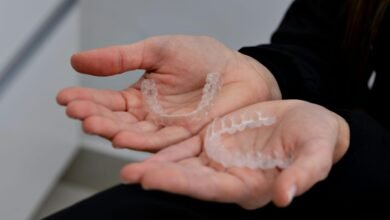
If you are a “grinder”, a bespoke night guard (occlusal splint) is a vital investment. It provides a protective barrier between your upper and lower teeth, absorbing the pressure and preventing the enamel from being ground away.
Stay Hydrated
Saliva is your mouth’s natural defence against acid. It contains minerals that help repair enamel. By staying hydrated, you ensure your saliva production remains at a healthy level.
8. Summary: Don’t Suffer in Silence
Tooth sensitivity is a signal from your body that the protective layers of your teeth have been compromised. While it is incredibly common, it is not something you have to tolerate.
Whether the solution is as simple as changing your brushing technique or as advanced as laser desensitisation or gum grafting, relief is available. By addressing the root cause – be it diet, hygiene, or structural wear – you can return to a life where you can enjoy a cold drink on a summer day without a second thought.
Are you tired of the “jolt”? Modern dentistry offers tailored pathways to comfort. From advanced fluoride treatments to protective bonding, the technology exists to seal away the pain. The first step is a comprehensive examination to identify your specific triggers.
Take control of your oral health today and rediscover the joy of a pain-free smile.