Female Snooker Referees: Breaking Barriers with Authority, Precision, and Unshakable Composure
From Historic Firsts to Modern Excellence — The Inspiring Rise of Women in Professional Snooker Officiating

Introduction
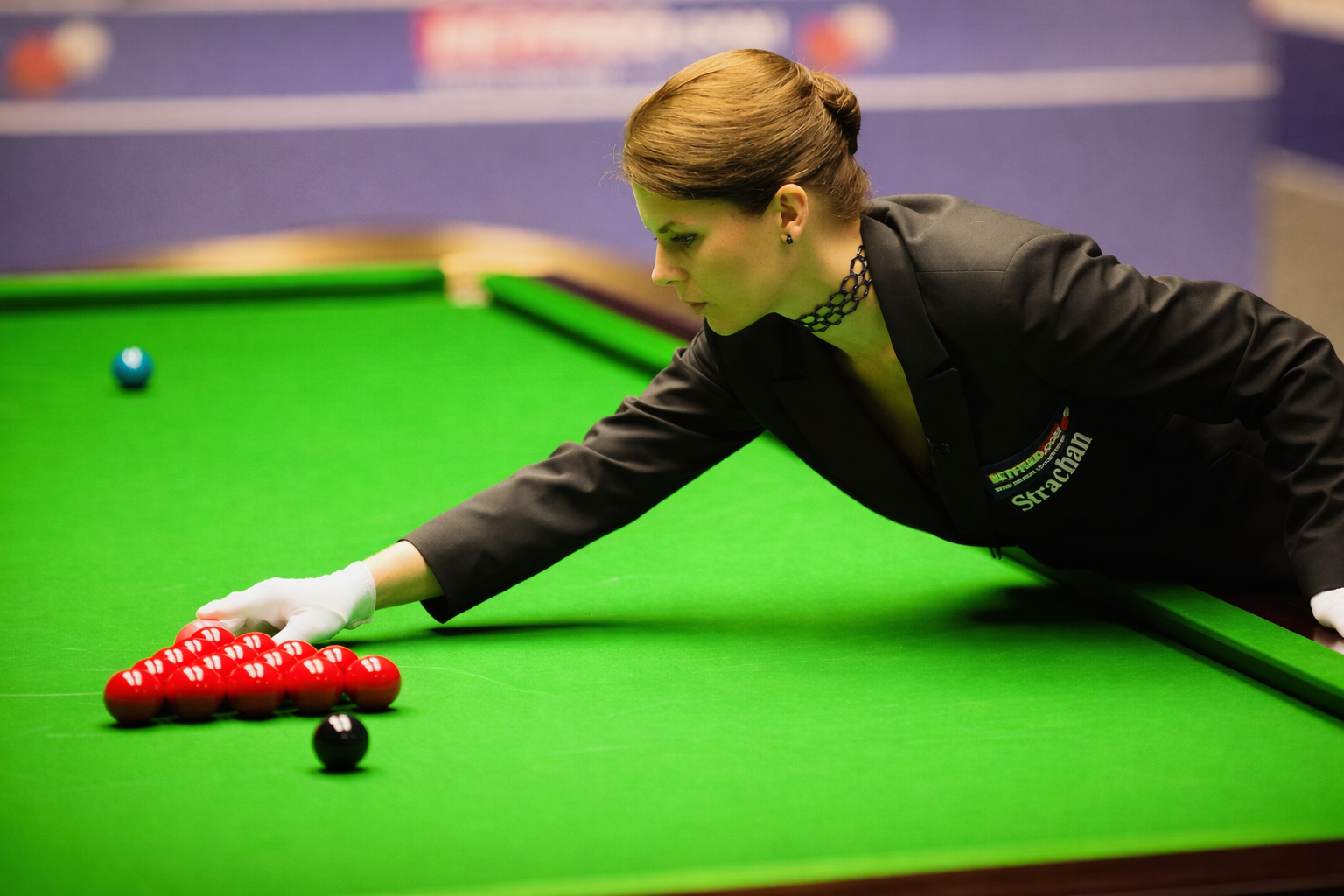
Female Snooker Referees have transformed the landscape of professional snooker through discipline, expertise, and historic achievements. Once considered rare in a traditionally male-dominated sport, women officials are now regularly seen managing ranking events, televised matches, and even World Championship finals. Their presence reflects progress, professionalism, and the steady evolution of snooker governance.
The journey, however, has not been without challenges. While progress is visible and inspiring, early female referees faced skepticism and scrutiny. Today, their authority at the table stands unquestioned. The rise of women in snooker officiating represents both a powerful shift in sports equality and a reminder of the barriers that once existed.
Quick Bio: Leading Female Snooker Referees
| Name | Country | Notable Achievement |
|---|---|---|
| Michaela Tabb | Scotland | First woman to referee a World Snooker Championship final |
| Desislava Bozhilova | Bulgaria | First woman to officiate all Triple Crown finals |
| Tatiana Woollaston | Belarus | Refereed major ranking events and Triple Crown matches |
| Proletina Velichkova | Bulgaria | Regular official on professional European Tour |
| Maike Kesseler | Germany | Officiated ranking tournaments including German Masters |
The Evolution of Women in Snooker Officiating
Early Challenges in a Traditional Sport
Professional snooker historically featured male referees dominating major tournaments. For decades, officiating at high-profile events such as the World Snooker Championship appeared inaccessible to women. Cultural norms and industry patterns limited opportunities for female participation.
However, gradual change began as governing bodies recognized the need for diversity and equality. The inclusion of women in officiating roles was not symbolic; it required rigorous training, rule mastery, and proven competence. Female referees earned their positions through performance rather than preference.
The Turning Point
The early 2000s marked a decisive shift. The appearance of female referees in ranking tournaments signaled institutional progress. These appointments were not experimental — they were merit-based promotions built on certification and experience.
As more women officiated televised matches, public perception evolved. Authority at the snooker table became defined by expertise rather than gender. This transformation reshaped the professional structure of officiating in snooker.
Trailblazers Who Redefined the Game
Michaela Tabb – A Historic Breakthrough
Michaela Tabb became the first woman to referee a professional ranking tournament and later officiated the World Snooker Championship final. Her achievement marked a milestone in sports officiating history.
Her calm authority and precision handling of high-pressure matches established credibility. While her journey involved scrutiny and resistance, her legacy remains foundational. She opened the door for future female referees to progress confidently.
Desislava Bozhilova – A Modern Benchmark
Desislava Bozhilova represents the next generation of elite referees. She became the first woman to officiate the finals of all Triple Crown events — the UK Championship, the Masters, and the World Championship.
Her achievements demonstrate how female referees have moved beyond symbolic milestones into sustained excellence. Her presence in high-stakes finals reflects recognition based purely on skill and performance.
Expanding Representation Across Europe
Tatiana Woollaston
Tatiana Woollaston progressed from amateur officiating to professional ranking tournaments. Her steady development reflects dedication and structured advancement within the sport.
Her appearances in major events highlight how female referees are no longer exceptions but established members of the officiating roster.
Proletina Velichkova and Maike Kesseler
Proletina Velichkova and Maike Kesseler represent consistent professionalism on the European circuit. Both have officiated ranking events and demonstrated composure under broadcast conditions.
Their work contributes to normalizing gender diversity in snooker officiating. Their presence reinforces the standard that expertise, rule enforcement, and focus define refereeing excellence.
Skills Required for Professional Snooker Referees
Technical Mastery
Snooker referees must demonstrate deep knowledge of game rules, scoring systems, foul interpretations, and procedural accuracy. Female snooker referees undergo the same rigorous certification process as male counterparts.
Precision is essential. From replacing balls after fouls to monitoring player conduct, referees maintain authority throughout long, high-pressure matches. Their consistency ensures fairness and integrity.
Composure and Communication
Officiating elite snooker requires calm decision-making under global television scrutiny. Female referees consistently display composure when managing tense moments between players.
Clear communication, confident posture, and rule clarity reinforce credibility. These qualities strengthen trust among players, audiences, and tournament organizers.
Positive Progress and Remaining Challenges
Visible Progress
The presence of female snooker referees at Triple Crown finals and World Championship matches reflects undeniable progress. Women are now integral to professional officiating structures.
Young aspiring referees see role models who demonstrate that advancement is achievable through merit. Representation inspires participation.
Lingering Barriers
Despite advancement, challenges remain. Gender bias, though reduced, has not completely disappeared in sports environments. Increased representation helps dismantle outdated assumptions.
Continued institutional support and equal opportunities are essential to maintaining momentum. Progress requires consistency rather than celebration alone.
The Global Impact of Female Snooker Referees
Inspiring the Next Generation
The visibility of female referees at elite tournaments encourages women to consider officiating careers. Youth development programs and referee training initiatives increasingly include women participants.
Their success extends beyond snooker. It contributes to broader conversations about gender equity in sports governance.
Strengthening Professional Standards
Diversity in officiating enhances professionalism. Female snooker referees contribute discipline, neutrality, and international representation to the sport.
Their performance demonstrates that officiating excellence is built on preparation and authority, not demographic categories.
Conclusion
Female Snooker Referees have reshaped professional snooker through persistence, competence, and historic achievements. From Michaela Tabb’s groundbreaking final to Desislava Bozhilova’s Triple Crown milestones, women have secured respected positions at the highest levels of officiating.
While early barriers reflected skepticism and limitation, modern tournaments reflect inclusion and merit-based advancement. The journey has combined positive progress with past resistance, yet the outcome is clear: female referees are essential to the integrity and future of professional snooker.
Frequently Asked Questions
Who was the first female snooker referee to officiate a World Championship final?
Michaela Tabb was the first woman to referee a World Snooker Championship final.
Which female referee officiated all Triple Crown finals?
Desislava Bozhilova became the first woman to referee all Triple Crown event finals.
Are female snooker referees common today?
Yes, women regularly officiate ranking events and televised tournaments.
What qualifications are required to become a snooker referee?
Referees must complete certification programs, demonstrate rule mastery, and gain experience through amateur and professional tournaments.
Has gender equality improved in snooker officiating?
Yes, representation has significantly improved, though ongoing efforts continue to strengthen equality in professional officiating.