Emma Dabiri: The Influential Irish Writer Redefining Identity, Culture, and Modern Thought
A fearless cultural voice examining race, history, and social power through insight, evidence, and lived experience

Introduction
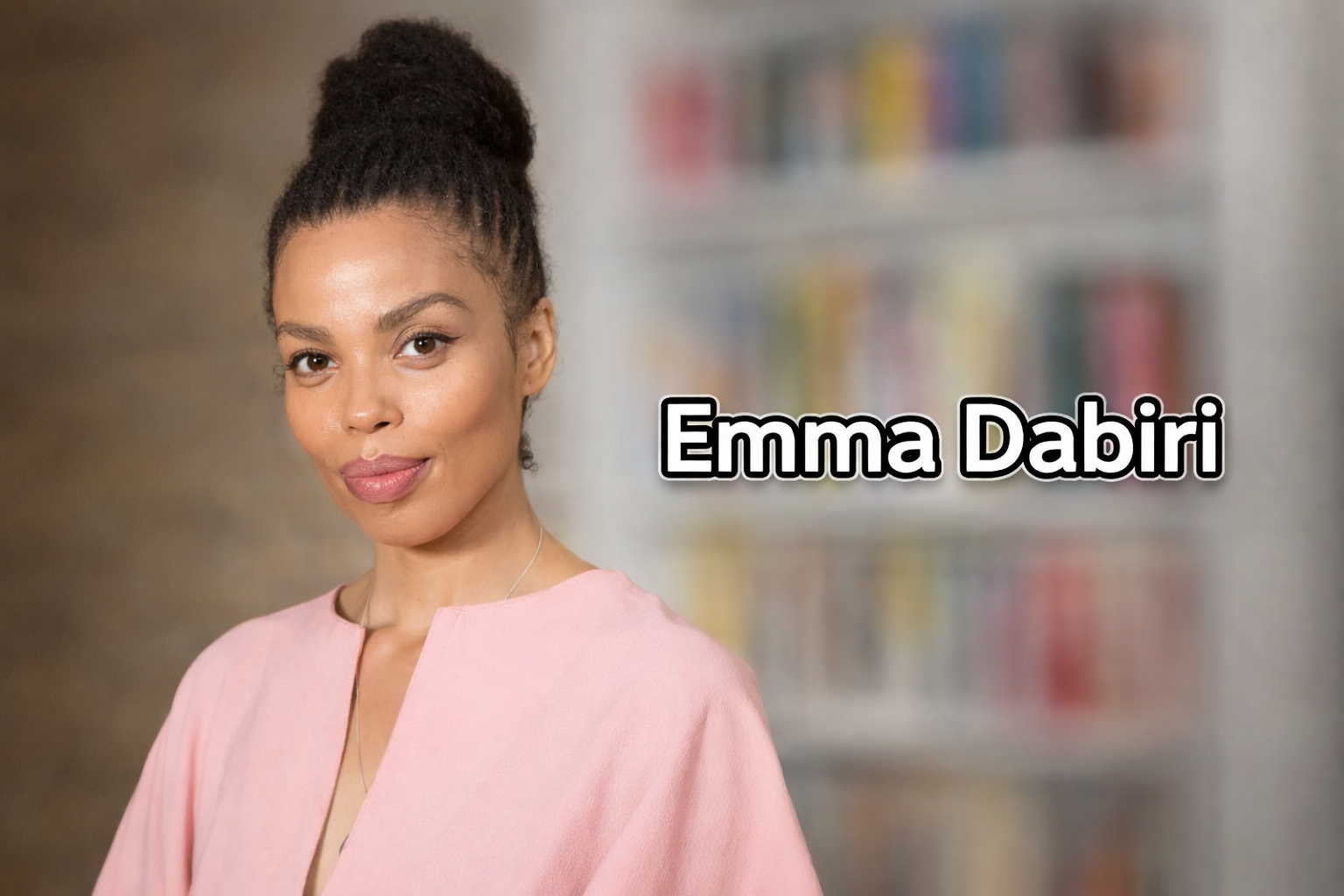
Emma Dabiri is widely regarded as one of the most influential voices in contemporary cultural discourse. As an Irish writer, academic, and broadcaster, she has carved out a distinctive space where scholarship meets public debate. Her work does not aim to comfort readers with easy answers; instead, it challenges assumptions, encourages reflection, and pushes conversations about identity and culture into more honest territory.
At the same time, Emma Dabiri’s prominence has brought both recognition and resistance. While many praise her for clarity and intellectual courage, others question or contest her conclusions. This balance of admiration and critique is central to her relevance, positioning her as a serious public intellectual whose ideas matter precisely because they invite discussion.
Quick Bio
| Field | Information |
|---|---|
| Full Name | Emma Dabiri |
| Date of Birth | 25 March 1979 |
| Age | 46 (as of 2026) |
| Birthplace | Dublin, Ireland |
| Nationality | Irish |
| Ethnicity | Irish–Nigerian (Yoruba heritage) |
| Profession | Irish writer, author, academic, broadcaster |
| Known As | Cultural critic, public intellectual |
| Education | African Studies (SOAS, University of London) |
| Higher Education | PhD in Visual Sociology (Goldsmiths, University of London) |
| Primary Fields | Cultural history, race and identity, African diaspora studies |
| Notable Works | Don’t Touch My Hair, What White People Can Do Next, Disobedient Bodies |
| Media Work | Television documentaries, radio programmes, public commentary |
| Marital Status | Married |
| Children | Two |
| Residence | United Kingdom |
Early Life and Cultural Background
Emma Dabiri was born in Dublin and spent part of her early childhood in the United States before returning to Ireland. Growing up in a society that was far less diverse at the time shaped her awareness of difference, belonging, and representation. These formative experiences later became a foundation for her exploration of the Black Irish experience and wider questions of identity.
Her early life encouraged observation rather than silence. Being positioned both within and outside dominant cultural narratives gave her a perspective that would later define her work as an Irish-Nigerian writer engaging with African heritage, cultural history, and social power.
Education and Academic Foundations
Emma Dabiri studied African Studies at the School of Oriental and African Studies in London, where she developed a strong grounding in African diaspora studies and global history. This academic environment sharpened her interest in how historical structures continue to shape modern societies.
She later completed doctoral research in visual sociology at Goldsmiths, University of London. Her academic training provided the analytical tools that distinguish her writing from opinion-based commentary, allowing her to approach cultural critique with evidence and depth.
Start of Career
Emma Dabiri began her professional journey in academia, teaching and researching topics related to African history, race, and representation. This early career phase shaped her disciplined approach to argument and her commitment to intellectual rigor.
Rather than remaining solely within academic circles, she gradually expanded into public writing and broadcasting. This transition allowed her to bring complex ideas into mainstream conversation without sacrificing nuance.
Career as an Irish Writer
As an Irish author, Emma Dabiri gained international attention through books that combine memoir, cultural history, and social analysis. Her writing often explores race and identity, Black hair culture, and the social meaning attached to bodies and beauty.
Her work is praised for accessibility, yet it does not dilute complexity. At times, her arguments provoke disagreement, particularly among readers uncomfortable with structural critiques. This tension highlights both the strength and challenge of her role as a cultural critic.
Books and Literary Contributions
Emma Dabiri’s major works include Don’t Touch My Hair, Twisted: The Tangled History of Black Hair Culture, What White People Can Do Next, and Disobedient Bodies. These books examine topics such as Black hair history, intersectionality in literature, and the relationship between culture and power.
Her books contribute to modern Irish literature while also resonating internationally. They are frequently discussed for their blend of personal narrative and social history, reinforcing her reputation as a thoughtful and disciplined writer.
Broadcasting and Media Presence
Beyond publishing, Emma Dabiri has built a strong presence in broadcasting. She has presented and contributed to television documentaries and radio programmes that explore culture, history, and social change. Her work with mainstream media platforms expanded her reach beyond traditional literary audiences.
However, increased visibility also brought greater scrutiny. While media exposure strengthened her influence, it also amplified criticism, reflecting the realities faced by public intellectuals engaging with sensitive topics
Editorial and Public Commentary
Emma Dabiri has contributed essays and commentary to major publications and has held editorial roles that shape non-fiction discourse. Through journalism and editing, she influences conversations beyond her own voice.
Her editorial work reflects a commitment to quality, depth, and responsible storytelling, reinforcing her position within the broader landscape of cultural critique and diversity and inclusion discourse.
Writing Style and Intellectual Approach
Emma Dabiri’s writing style is marked by clarity, structure, and historical awareness. She avoids sensationalism, instead grounding arguments in cultural context and research. This approach allows her work to remain accessible while retaining intellectual authority.
At the same time, her directness can polarize readers. While supporters value her honesty, critics sometimes view her work as confrontational. This divide underscores the impact of her voice rather than diminishing it.
Impact and Recognition
Emma Dabiri’s influence extends across literature, academia, and media. Her work contributes to discussions on African diaspora studies, identity politics, and the evolving nature of Irish cultural identity.
As an Irish writer operating on an international stage, she represents a generation of thinkers who blend scholarship with public engagement, reshaping how cultural conversations unfold.
Legacy and Long-Term Influence
Emma Dabiri’s legacy lies in her ability to normalize complex discussions about race, beauty, and power in public spaces. She has shown that cultural critique can be both accessible and intellectually rigorous.
While her ideas may not appeal to everyone, their lasting value lies in their capacity to challenge assumptions and encourage deeper reflection.
Conclusion
Emma Dabiri stands as a defining figure in contemporary cultural thought. As an influential Irish writer, she combines academic discipline with public engagement, shaping debates around identity, culture, and social responsibility.
Her work demonstrates that meaningful influence does not come from avoiding controversy, but from engaging with it thoughtfully. Through writing, broadcasting, and editorial work, Emma Dabiri continues to leave a lasting mark on modern discourse.
FAQs
Who is Emma Dabiri?
Emma Dabiri is an Irish writer, academic, and broadcaster known for cultural analysis and social commentary.
What topics does Emma Dabiri focus on?
Her work explores race and identity, Black hair culture, cultural history, and social power.
Is Emma Dabiri an academic?
Yes, she has an academic background in African Studies and visual sociology.
Why is Emma Dabiri influential?
She bridges scholarly research and mainstream media, shaping public understanding of complex social issues.
Are personal financial details about Emma Dabiri public?
No, information such as net worth or salary is not publicly available.