DTF Printer Explained: Is DTF the Best Option for Small UK Clothing Brands?

Evolution of Custom Clothing Print in the UK
Custom clothing print has enjoyed unprecedented success in the past few years, especially among small clothing brands in the UK. In an attempt to make their business operations efficient, cost-effective, and productive, the business owners have been searching for printing techniques. However, the main trend in the world of clothing print right now revolves around the DTF Printer. This particular printer has been viewed by many as a formidable contender to rival some conventional printing techniques. But should clothing businesses in the UK embrace it? Let us discuss how it works and what makes it different from other printing techniques, for instance heat transfer vinyl.
Introduction to a DTF Printer
The printing process in which pigmented ink from an inkjet printer is transferred onto film surfaces with the aid of high quality and vibrant images and graphics is referred to as DTF (Direct-to-Film) printing. After printing, adhesion powder is applied to the design and subsequently, it undergoes a heat transfer process for the transfer of the design onto fabrics. It can be concluded that the DTF printer does not require any prior treatment of fabrics.
Versatility for Small UK Clothing Brands
One of the main factors that make small UK clothing brands choose DTF Printing is the flexibility offered by this printing technology. It allows the printer to print designs on cotton, polyester, mixes, and even dark fabric while retaining their color intensity. Such versatility gives brand owners a lot of freedom and flexibility in expanding their clothing range since there is no need to buy different machines. From t-shirts and hoodies to tote bags and sportswear, DTF Printing provides excellent results.
Efficiency of Production and Faster Turnaround
Another advantage that is worth mentioning is the high efficiency of production. Small companies often have to balance between the quality of their products and the pace at which they manufacture and deliver them to their clients. By using DTF printers, it will be possible to reduce the time needed for setup and avoid complicating the process with unnecessary actions such as cutting and weeding.
The Importance of the Heat Press for the Process of DTF Print
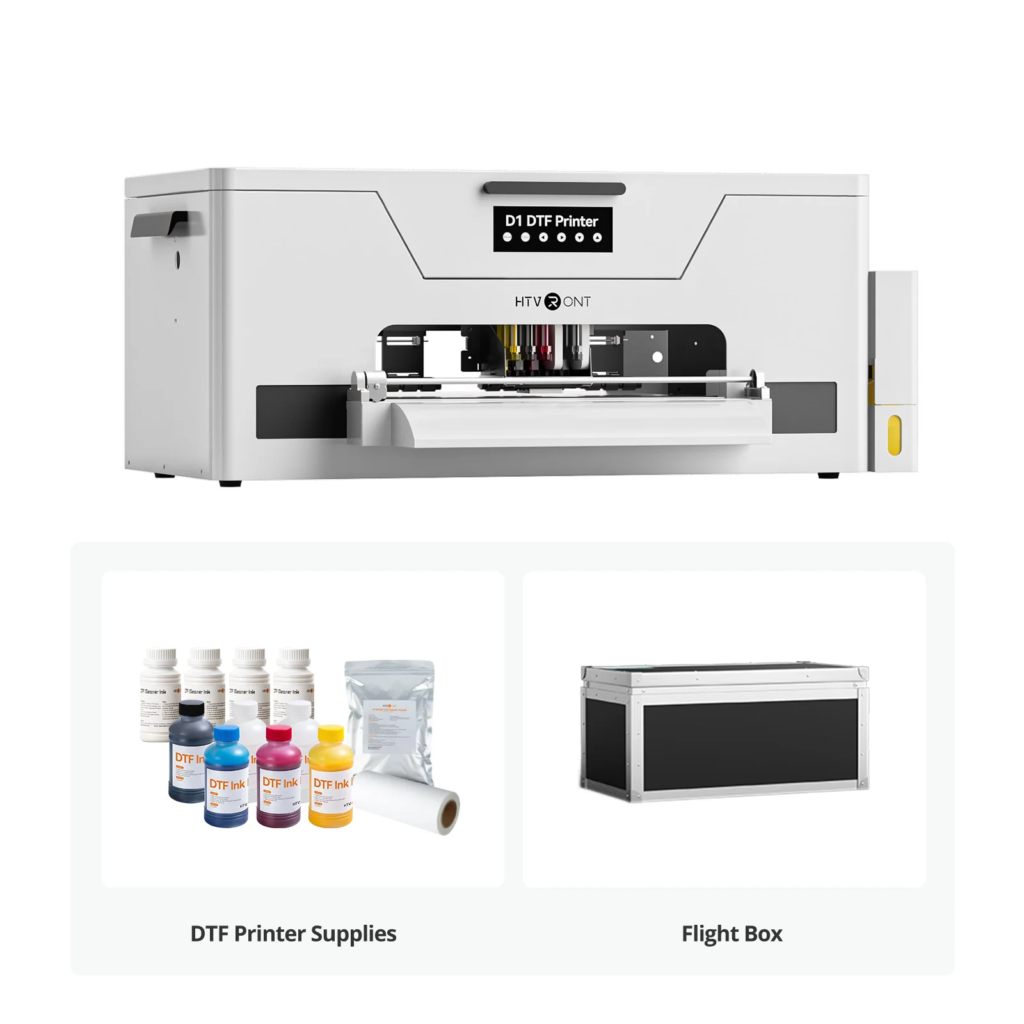
Still, no type of printing works alone. The heat press is indispensable when DTF printing takes place. After applying the design on the film, the next step is to transfer it by means of heating and pressing. With a help of a heat press, one can ensure proper adhesion, thus getting a perfect result. In case there are no suitable temperature and pressure conditions, the design will be detached after a while.
The Temperature and Pressure Needs of DTF Prints
The usual temperature that needs to be provided by the heat press is from 150-160 degrees Centigrade (or 300-320 degrees Fahrenheit) with the duration from 10-15 seconds.Once the process is completed, the film should be removed as instructed. Besides, another heat press application might make the design more wash-resistant. The result is supposed to be soft and pliable. English small firms working with DTF prints have to know about these heat press settings.
Comparison Between DTF Print With Heat Transfer Vinyl Print
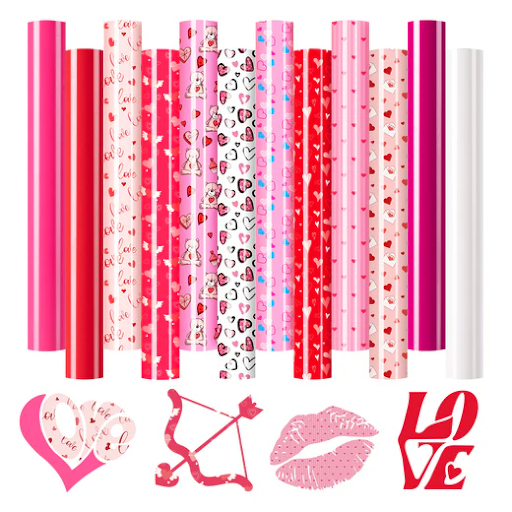
The differences between DTF printing and heat transfer vinyl can also be easily seen. The latter has proven its value for many years now, mainly due to its convenience and availability. It requires cutting different colored vinyl sheets, followed by pressing the design into the fabric. This technology is affordable and efficient enough for basic prints, yet not very useful when dealing with complex multicolored designs.
Advantages of DTF for Detailed Print Work
Conversely, DTF provides a possibility of making a full-color print, including all types of shades, shadows, and other elements that do not require any cuts or layers. Therefore, this solution is preferable when it comes to implementing modern trends and requirements in branding. Still, heat transfer vinyl remains relevant in creating simple logos and text-based designs, especially with tight budgets.
Making a Choice Based on Your Goals and Needs
To sum up, a number of factors should be considered when making a decision between these technologies in case of UK clothing brands. If quick scaling, detailed designs, and variety of customer requests are crucial for the company, then investing in DTF printer is a wise step to take.
Cost Factor in Relation to Small Business
Cost is yet another aspect worth considering. In general, a DTF system involves higher expenses than the use of heat transfer vinyl systems. Still, when you consider that with a DTF system, you will be able to create high-quality prints in a shorter period of time and without so much physical effort, the costs may even out in the long run. That is why many brands expanding within the UK choose DTF printing.
Resistance to Damage and Durability
The resistance to damage is one more strength of the DTF process. Provided that a proper heat press is used to apply DTF ink, the resulting images will be very resistant to washing and stretching and will remain flexible and colorful for a long time.
Conclusion: DTF – The Best Option?
In summary, the DTF printer provides a highly capable and versatile printing system for small UK clothing brands. With a good heat press at its disposal, it can produce excellent output to rival other prints in today’s competitive fashion industry. Even though HTV continues to be an effective material for basic designs and novices, DTF is slowly but surely being recognized as the superior alternative. In all likelihood, it will only be a matter of time before DTF printers take precedence over other systems.