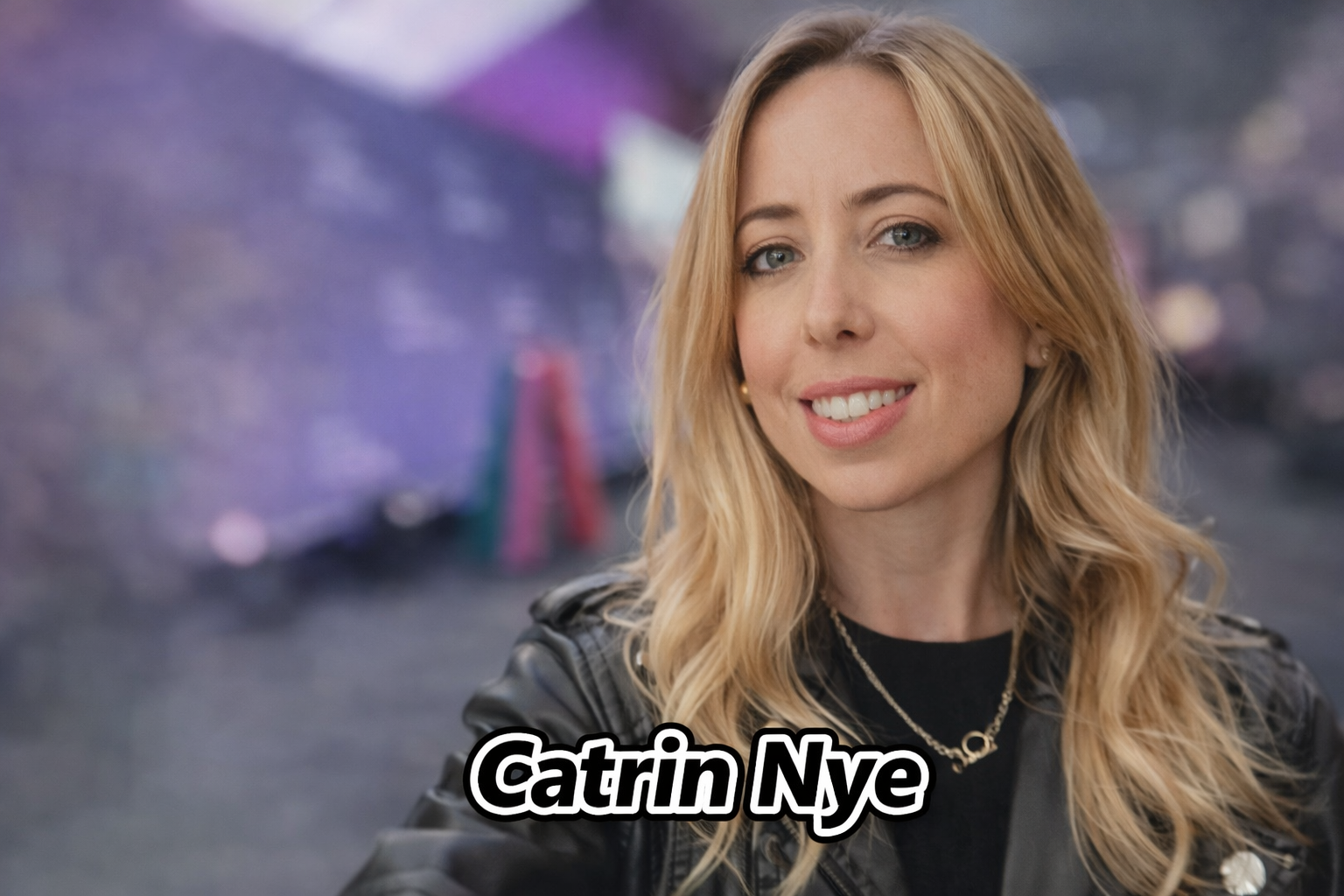
Catrin Nye: The Investigative Journalist Behind BBC’s Most Impactful Stories
How Rigorous Reporting, Human Storytelling, and Accountability Define Her Work

Introduction
Catrin Nye has emerged as one of the BBC’s most trusted investigative journalists, known for producing stories that do more than inform. Her work consistently reveals how powerful systems affect ordinary lives, often exposing harm that would otherwise remain hidden. Whether investigating exploitative workplaces, high-control organisations, welfare policy failures, or environmental risks, Catrin Nye brings clarity to complexity without sacrificing accuracy or empathy.
Audience interest in Catrin Nye has grown alongside the reach of her investigations. Viewers and listeners frequently search her name after watching a documentary or listening to a podcast that leaves them unsettled yet better informed. That reaction is not accidental. Her journalism is designed to stand up to scrutiny, to give voice to people who are rarely heard, and to hold institutions to account using evidence rather than outrage.
Quick Bio: Catrin Nye
| Detail | Information |
|---|---|
| Full Name | Catrin Nye |
| Nationality | British |
| Place of Birth | Brecon, Wales |
| Profession | Investigative journalist and presenter |
| Broadcaster | BBC |
| Known For | Investigative documentaries, podcasts, and current affairs |
| Notable Work | Jobfished, A Very British Cult, Panorama investigations |
| Areas of Focus | Accountability, public policy, exploitation, environmental issues |
Early Background and Path Into Journalism
Catrin Nye was born in Brecon, Wales, and her Welsh roots remain an important part of her professional identity. Growing up outside major metropolitan centres can shape a journalist’s sensitivity to how decisions made far away affect local communities. That perspective is evident throughout her work, which often begins with personal testimony and expands outward to examine national or institutional responsibility.
Her early career developed within the BBC’s news and current affairs environment, where she worked across multiple platforms. This formative period gave her exposure to fast-paced news reporting as well as longer, more investigative formats. Over time, she developed a clear interest in stories involving marginalised communities and complex power dynamics, areas that demand patience, cultural awareness, and strong editorial discipline.
Investigative Journalism at the BBC
Catrin Nye is closely associated with the BBC’s long-form investigative tradition. This branch of journalism operates under intense editorial and legal scrutiny, requiring high evidential standards and careful sourcing. Investigations often take months or years to complete, with every claim tested and every response sought.
One of the defining features of Catrin Nye’s work is her ability to operate across television, radio, and podcasting while maintaining consistency and depth. Rather than adapting stories superficially, she restructures them for each medium, ensuring that the core evidence remains intact. This approach reflects a modern understanding of how audiences consume journalism and how trust is built across platforms.
Jobfished and Workplace Exploitation
One of the investigations that significantly raised Catrin Nye’s public profile was Jobfished. The project explored how people were drawn into working for what they believed was a legitimate organisation, only to discover that the company and its promises were based on deception.
What made Jobfished particularly effective was its structure. Instead of beginning with a dramatic exposure, the investigation followed the slow process of doubt experienced by those affected. Viewers were taken through the rationalisations, warning signs, and eventual realisation that something was wrong. This method not only explained what happened but also why intelligent, capable people can be misled when employment security and ambition are involved.
The investigation demonstrated Catrin Nye’s ability to combine empathy with accountability. Those harmed were treated with respect, while those responsible were confronted with clear evidence and direct questioning.
A Very British Cult and Psychological Control
Catrin Nye’s work on A Very British Cult marked another major moment in her career. The investigation examined a life-coaching organisation accused by former members of using coercive and controlling practices. Rather than framing the story around sensational labels, the reporting focused on process: how influence was established, how control was normalised, and how individuals found it difficult to leave.
Reporting on psychological harm presents unique challenges. Experiences are often subjective, gradual, and difficult to articulate. Catrin Nye’s approach allowed people to describe their experiences in their own words, while also contextualising those accounts with expert analysis and documentary evidence. The result was an investigation that treated survivors with care while maintaining journalistic rigour.
Reporting on Welfare and Public Policy
Catrin Nye has also been recognised for her reporting on government policy, particularly investigations into Universal Credit. These projects examined how a system designed to simplify welfare could, in practice, create instability and distress for those dependent on it.
Policy journalism often risks becoming abstract or technical. Catrin Nye’s reporting avoided that by grounding policy analysis in lived experience. By showing how delays, errors, and rigid rules affected real people, she translated bureaucratic decisions into human consequences. The credibility of this work lay in its balance: claims were supported by evidence, expert voices were included, and official responses were clearly presented.
Environmental and Public Health Investigations
More recently, Catrin Nye has been associated with investigations into environmental and public health issues, including reporting on “forever chemicals” found in everyday environments. These stories resonated strongly because they connected industrial practices to domestic life, raising questions about long-term safety and regulatory oversight.
Environmental investigations demand precision. Overstatement can cause panic, while understatement can leave audiences uninformed. Catrin Nye’s reporting in this area focused on explaining what is known, what remains uncertain, and how authorities and companies respond. This careful framing reinforced trust and avoided sensationalism.
Presentation and Public Engagement
Alongside investigative work, Catrin Nye has taken on presenting roles, including moderating debate programmes in Wales. These roles require neutrality, clarity, and the ability to challenge without dominating discussion. Her presenting style reflects the same principles that guide her investigations: preparation, calm questioning, and respect for evidence.
This continuity between investigative and presentational work strengthens her professional credibility. Audiences encounter the same tone and values regardless of format, reinforcing trust in her reporting.
Professional Recognition and Standing
Catrin Nye’s journalism has received significant professional recognition, including awards linked to investigative reporting, mental health coverage, and radio innovation. While awards are not proof of accuracy on their own, consistent recognition across different subjects and formats suggests a sustained level of quality and peer respect.
More important than any single accolade is the pattern her career shows. She repeatedly tackles complex, sensitive issues and produces work that stands up to scrutiny while reaching large audiences.
Why Audiences Search for Catrin Nye
People typically search for Catrin Nye after encountering an investigation that challenges assumptions or raises difficult questions. In an era of fragmented media, audiences increasingly evaluate journalism through individual reporters as well as institutions. Discovering that a journalist has a track record of careful, evidence-based reporting helps audiences decide whether to trust what they have seen or heard.
Catrin Nye’s growing visibility reflects this shift. Her name has become associated with investigations that matter, prompting audiences to seek more context about her background and approach.
Conclusion
Catrin Nye represents a modern model of investigative journalism built on evidence, empathy, and persistence. Her work demonstrates how careful reporting can illuminate hidden harm without resorting to spectacle, and how storytelling can deepen understanding rather than distort it.
As public trust in information continues to be tested, journalists like Catrin Nye play a crucial role in setting standards. Her investigations show that authority in journalism is earned not through volume or outrage, but through clarity, care, and an unwavering commitment to the truth.
Frequently Asked Questions
Who is Catrin Nye?
Catrin Nye is a British investigative journalist and presenter known for her in-depth reporting for the BBC across television, radio, and podcasting.
What kind of stories does Catrin Nye investigate?
Her work focuses on accountability and harm, including workplace exploitation, high-control organisations, welfare policy failures, and environmental risks.
Is Catrin Nye associated with the BBC?
Yes, she is closely associated with BBC investigative journalism and has worked on major BBC documentaries, podcasts, and current affairs programmes.
What makes Catrin Nye’s journalism distinctive?
Her reporting combines rigorous evidence-gathering with human storytelling, making complex systems understandable without oversimplification.
Why is Catrin Nye widely searched online?
Audiences often search her name after encountering impactful investigations and want to understand the journalist behind the story and assess credibility.