Fresh meat diets for dogs drive new growth in South Africa’s pet care market

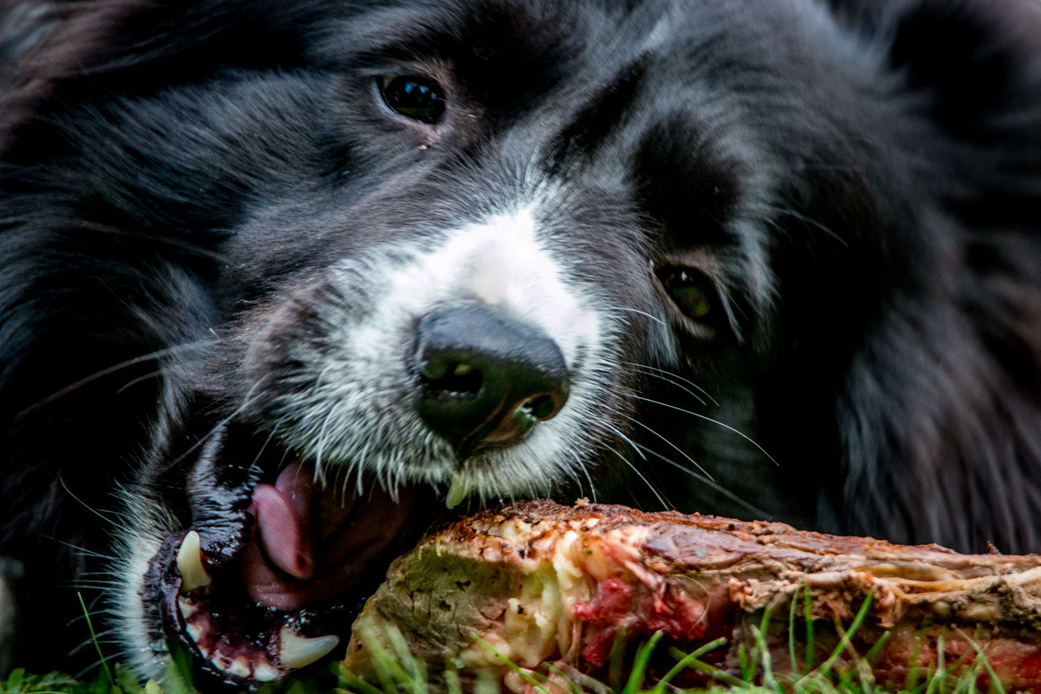
South Africa’s pet care industry is undergoing a noticeable shift as more dog owners move toward fresh, high-quality nutrition. What was once a niche preference is rapidly becoming mainstream, with consumers showing a growing willingness to invest in premium diets that prioritize health, transparency, and ingredient quality. This change is not only influencing how pets are fed, but is also opening new opportunities for entrepreneurs across the country.
Industry observers point out that modern pet owners increasingly treat their animals as part of the family, which is reflected in purchasing behavior. Spending on premium pet products, including tailored diets and preventative healthcare, continues to rise. Alongside this trend, awareness around parasite control and overall wellness remains critical, with solutions such as Nexgard for dogs becoming part of a broader approach to responsible pet ownership.
Growing demand for fresh and natural dog food
One of the most significant developments in the market is the rising popularity of fresh meat-based diets. Consumers are paying closer attention to ingredient labels, often opting for minimally processed meals that mirror what dogs might eat in a more natural environment. This has led to increased demand for raw, frozen, or gently cooked meal options.
Local startups and established suppliers alike are responding quickly. Subscription-based dog food delivery services, specialized butcheries, and online platforms are emerging to meet the needs of this new consumer segment. These businesses often emphasize traceability, sourcing transparency, and nutritional balance as key selling points.
The trend aligns with broader global movements in food consumption, where health-conscious decisions influence not only human diets but also those of pets. In South Africa, this shift is particularly visible in urban areas, where disposable income and access to premium services are higher.
Entrepreneurial opportunities in a shifting market
The surge in demand for fresh dog food has created a fertile environment for entrepreneurs. Small-scale producers, veterinarians, and even traditional butchers are diversifying their offerings to include pet-focused products. By leveraging existing supply chains and expertise, many businesses are able to tap into this growing niche with relatively low barriers to entry.
Digital platforms play a crucial role in this expansion. Online ordering systems, subscription models, and targeted marketing strategies allow businesses to reach pet owners more efficiently than ever before. In particular, content-driven platforms help educate consumers about the benefits of fresh diets, reinforcing trust and encouraging repeat purchases.
For entrepreneurs exploring this space, understanding sourcing and logistics is essential. Reliable access to quality meat products and efficient cold-chain delivery systems can determine the success of a venture.
Balancing nutrition, safety, and preventative care
While fresh diets are gaining traction, experts caution that balance remains critical. Proper nutritional planning is essential to ensure dogs receive all necessary vitamins and minerals. As a result, many successful businesses collaborate with veterinarians or animal nutritionists to develop scientifically sound meal plans.
At the same time, preventative healthcare continues to play a central role in pet wellbeing. Even with high-quality diets, dogs remain vulnerable to parasites such as ticks and fleas, particularly in South Africa’s varied climate. This reinforces the importance of integrating nutrition with reliable preventative treatments as part of a comprehensive care strategy.
Consumers are becoming more informed, often seeking holistic solutions that combine diet, hygiene, and medical care. Businesses that can offer integrated services or partnerships are likely to stand out in an increasingly competitive landscape.
A resilient and expanding sector
The evolution of dog nutrition reflects broader changes in consumer behavior, where quality, transparency, and convenience are prioritized. For South African entrepreneurs, the pet care sector presents a compelling opportunity to innovate and grow within a resilient market.
As fresh meat diets continue to gain popularity, businesses that adapt quickly and maintain high standards are well positioned to succeed. The combination of informed consumers, digital accessibility, and evolving supply chains suggests that this trend is not temporary but part of a long-term transformation in how pet care is approached.