Gabi Goslar: A Powerful Story of Survival and Loss in the Shadow of the Holocaust
A heartbreaking yet inspiring journey of courage, tragedy, and resilience

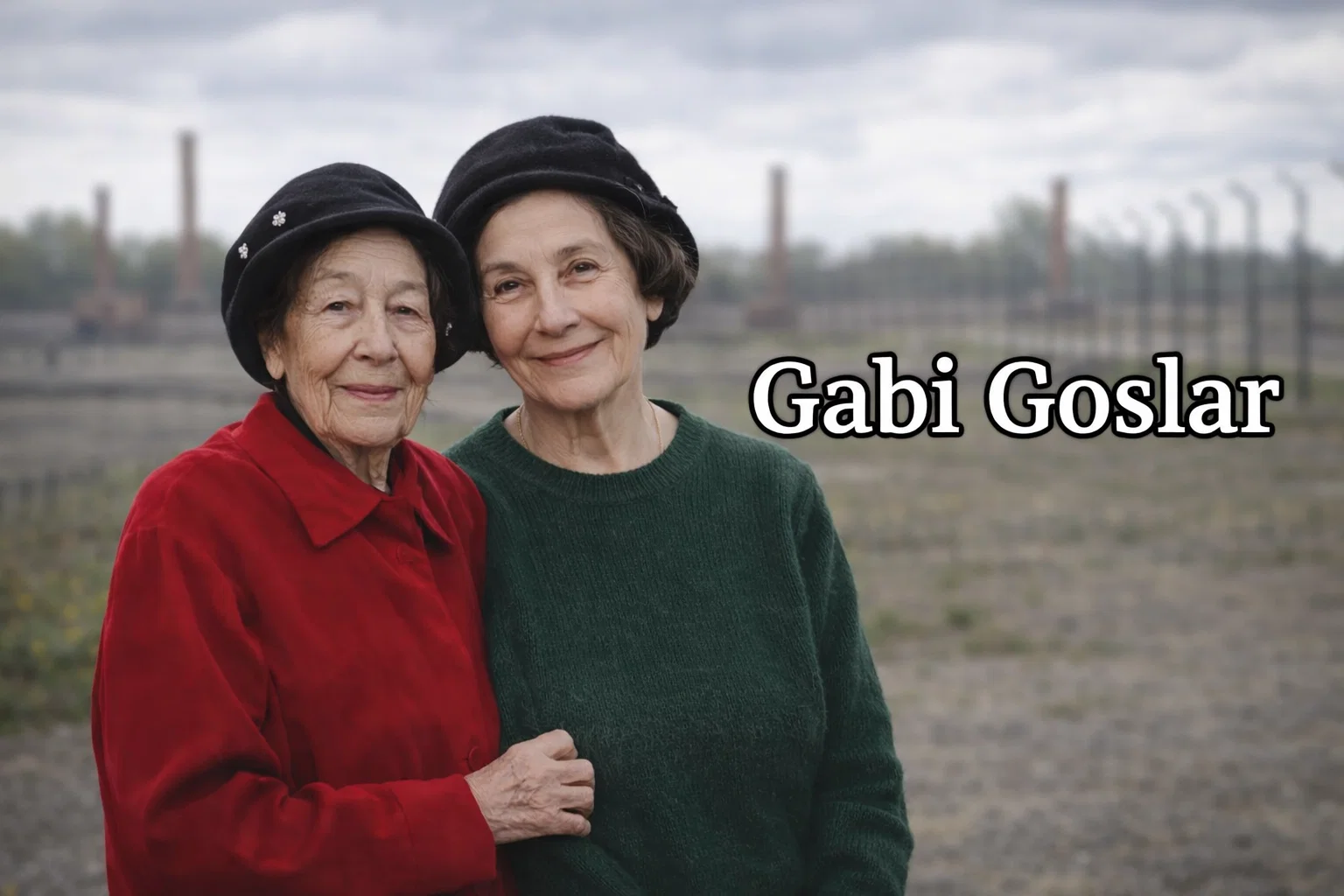
Introduction
Gabi Goslar is a name that carries deep historical significance, even though she lived much of her life away from the public spotlight. Her story is closely tied to one of the darkest chapters in human history—the Holocaust. While many people recognize the name Anne Frank, fewer know about the individuals connected to her story, including Gabi Goslar, whose life reflects both unimaginable suffering and remarkable survival.
Born into a Jewish family during a time of rising Nazi oppression, Gabi Goslar experienced the horrors of war at an age when most children are just beginning to understand the world. Her life is a powerful reminder of the innocent lives affected by hatred and conflict. At the same time, it also shows the strength of the human spirit and the ability to rebuild life after devastation.
Quick Bio
Basic Details of Gabi Goslar
Gabi Goslar, whose full name was Rachel Gabriele Ida Goslar, was born on October 25, 1940, in Amsterdam, Netherlands. She was the younger daughter of Hans Goslar and Ruth Judith Klee, a German-Jewish family that had fled Nazi Germany in search of safety. Despite their efforts, the war eventually caught up with them.
She later became known as a Holocaust survivor and the younger sister of Hannah Goslar, who had a close friendship with Anne Frank. Gabi spent her later years in Israel, where she lived a quiet and private life until her death in 2017.
Early Life and Family Background
A Childhood Shaped by Uncertainty
Gabi Goslar was born during a time of growing fear and instability in Europe. Her parents had already experienced the harsh realities of Nazi rule in Germany, which forced them to flee to the Netherlands. Initially, Amsterdam offered some sense of safety, but this peace was short-lived as Nazi forces occupied the country during World War II.
Her early childhood was marked by loss and hardship. In 1942, her mother died during childbirth, leaving Gabi without maternal care at a very young age. This tragic event deeply affected the family, especially during a time when emotional and physical support was already limited due to war conditions.
The Role of Her Father and Sister
After her mother’s death, Gabi was primarily cared for by her father and older sister, Hannah. Her father tried to provide stability despite increasing dangers, while Hannah took on a protective role far beyond her years. The bond between the sisters became a source of strength during extremely difficult times.
This close family connection would later play a crucial role in Gabi’s survival. Even as conditions worsened, the emotional support within the family helped them endure the hardships that followed.
Life During the Holocaust
Deportation and Camp Life
In 1943, the Goslar family was deported to the Westerbork transit camp, which served as a temporary holding center for Jews before being sent to concentration camps. Life in the camp was harsh, with overcrowding, fear, and uncertainty becoming part of daily existence.
From Westerbork, Gabi and her family were transported to Bergen-Belsen concentration camp. As a toddler, she suffered from severe illness, malnutrition, and extreme conditions. The environment was not only physically dangerous but also emotionally devastating for those who lived through it.
### Loss and Survival
Tragedy struck again when Gabi’s father died in the camp shortly before the end of the war. This left Gabi and her sister completely orphaned at a very young age. Despite these overwhelming losses, both sisters managed to survive until liberation in 1945.
Gabi’s survival is considered extraordinary given her age and the conditions she endured. Many children in similar circumstances did not survive, making her story both heartbreaking and remarkable.
Connection to Anne Frank
A Shared History
Gabi Goslar’s story is often connected to Anne Frank through her sister Hannah. Hannah and Anne were close friends before the war, and their lives intersected again briefly in Bergen-Belsen. This connection has brought attention to Gabi’s story as part of the broader narrative of Holocaust survivors.
Although Gabi was too young to remember Anne Frank personally, the connection through her sister highlights how intertwined many stories of that era were. It also emphasizes how widespread the impact of the Holocaust was across families and communities.
A Symbol of Collective Memory
Through this connection, Gabi Goslar became part of a larger historical memory. Her life represents not just her personal experiences but also the shared suffering of countless families affected by the Holocaust.
This link to a globally recognized story helps keep the memory of these events alive for future generations, ensuring that such tragedies are never forgotten.
Life After the War
Rebuilding from Nothing
After liberation, Gabi and her sister were placed in a children’s home in the Netherlands. Like many survivors, they had to rebuild their lives from scratch, both emotionally and physically. The trauma of losing their parents and enduring camp life left deep scars.
Later, they moved to Switzerland for recovery before eventually emigrating to Israel. This transition marked a new chapter in Gabi’s life, offering a chance to start over in a different environment.
A Quiet and Private Life
In Israel, Gabi chose to live a relatively private life. She married and became a mother and grandmother, focusing on her family rather than public attention. Unlike some survivors who shared their stories widely, she maintained a low profile.
However, her life still carried the weight of her past. Even in silence, her experiences contributed to the collective understanding of Holocaust survivors and their resilience.
Legacy and Historical Importance
Remembering the Past
Gabi Goslar’s story is important because it sheds light on the experiences of very young children during the Holocaust. While many narratives focus on adults or teenagers, her life reminds us that even infants and toddlers were not spared from the horrors of war.
Her survival stands as a testament to human resilience. It also highlights the importance of remembering history, not just through famous figures but through every individual story.
Lessons for Future Generations
Her life teaches valuable lessons about courage, endurance, and the importance of compassion. It reminds us of the consequences of hatred and the need to stand against injustice in all forms.
By understanding stories like hers, future generations can learn to value peace and humanity, ensuring that such tragedies are never repeated.
Conclusion
Gabi Goslar’s life is a powerful blend of sorrow and strength. From losing her parents at a young age to surviving one of history’s most brutal periods, her journey reflects both the darkest and brightest aspects of humanity. While her story includes deep pain and loss, it also carries a message of hope and resilience.
Her legacy is not defined by fame but by survival and quiet strength. In remembering Gabi Goslar, we honor not only her life but also the countless others who endured similar experiences. Her story continues to inspire awareness, compassion, and a commitment to a better future.
Frequently Asked Questions (FAQs)
Who was Gabi Goslar?
Gabi Goslar was a Holocaust survivor and the younger sister of Hannah Goslar. She is known for her connection to Anne Frank’s story and her survival during World War II.
When and where was Gabi Goslar born?
She was born on October 25, 1940, in Amsterdam, Netherlands, into a German-Jewish refugee family.
What happened to Gabi Goslar during the Holocaust?
She was deported to Westerbork and later to Bergen-Belsen concentration camp, where she endured severe hardship and lost her father.
Did Gabi Goslar know Anne Frank?
Gabi herself was too young to know Anne Frank, but her sister Hannah was a close friend of Anne, creating a strong historical connection.
What did Gabi Goslar do after the war?
After the war, she moved to Israel, where she built a private life, got married, and raised a family while carrying the memories of her past.