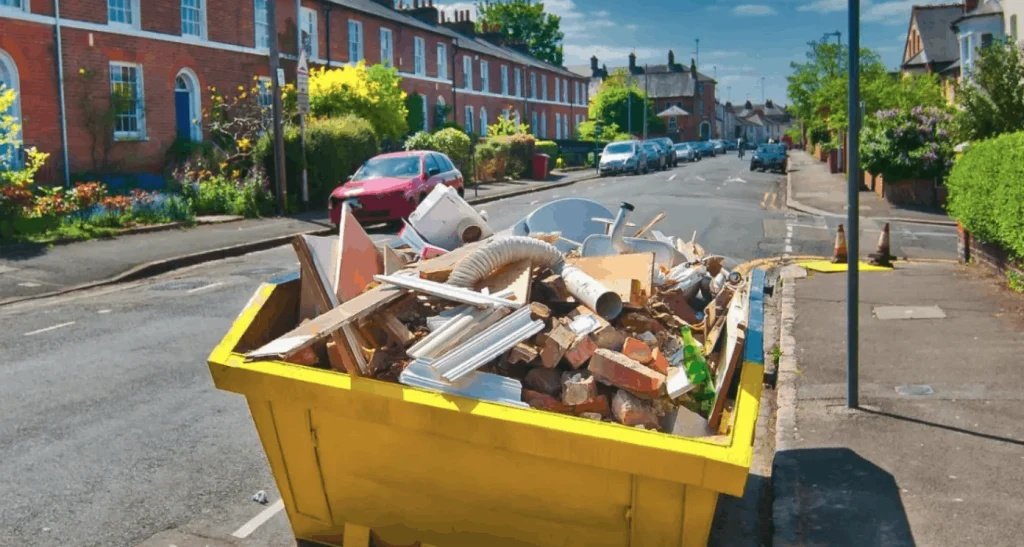
Most people fill a skip, wave goodbye when the truck comes, and never give it another thought. But there’s a lot more going on behind the scenes than most people realise, and it’s actually worth knowing, especially if you care about where your waste ends up.
Here’s the full picture of what happens once your skip leaves the driveway.
It Doesn’t All Go Straight to Landfill
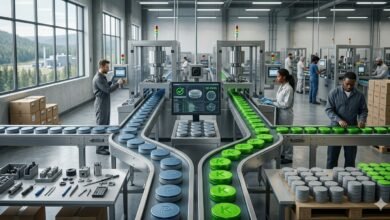
This is the biggest misconception. A lot of people assume that everything in a skip gets dumped in a hole in the ground. In reality, most reputable skip hire companies send waste to a Materials Recovery Facility (basically a sorting plant) where it gets separated and processed.
The recycling rates at these facilities can be surprisingly high. Depending on the type of waste and the company you use, anywhere from 80% to 95% of skip contents can be diverted from landfill. That includes metal, wood, concrete, aggregates, cardboard, and certain plastics.
How the Sorting Actually Works
When a skip arrives at the facility, the waste goes through a combination of manual sorting and mechanical processing. Workers and machines separate materials into different streams:
- Metal gets pulled out by magnets and sent to scrap dealers or smelters
- Concrete and hardcore gets crushed and reused as aggregate in construction
- Wood either gets chipped for biomass energy or processed into chipboard
- Cardboard and paper goes to recycling mills
- Soil and rubble can be reused as fill material on construction sites
- General mixed waste that can’t be separated often goes to energy-from-waste plants rather than landfill
What’s actually left for landfill is usually a much smaller fraction than people expect.
Why What You Put In Matters
This is where it circles back to you. The cleaner and more separated your skip contents are, the easier it is to recycle them. Mixed loads with a lot of contamination, food waste thrown in with rubble, paint-soaked materials mixed with clean wood, make the sorting process harder and reduce how much can actually be recovered.
It’s not always practical to keep things perfectly separated, especially during a big clearout. But avoiding obvious contaminants makes a real difference.
That’s also partly why hazardous items like fridges, gas canisters, and asbestos are banned from standard skips. They can’t go through normal processing and require specialist handling. Throwing them in doesn’t make them disappear, it just creates a problem further down the line.
The Landfill Tax Factor
Here’s something most people don’t think about when they’re comparing skip prices: landfill tax.
The UK government charges waste companies a fee for every tonne that goes to landfill. That cost gets passed along the chain and ends up factored into the price you pay. Companies that recycle more effectively can sometimes offer more competitive prices because they’re sending less to landfill.
It’s one reason prices can vary noticeably between providers, even in the same area. If you’re comparing quotes for skip hire Reading, a big price difference between two companies could partly come down to how they handle waste processing, not just profit margins.
What “Licensed” Actually Means
Every company that collects, transports, and processes skip waste in the UK needs to be licensed by the Environment Agency. This covers both the transport of waste and the facility where it’s processed.
Using an unlicensed operator (sometimes called a fly-tipper operating as a business) is more common than people think, particularly with very cheap online ads. If your waste gets illegally dumped, you can actually be held responsible even if you paid someone else to collect it. It’s called a duty of care, and it applies to anyone who produces waste.
Always check that a company holds a valid waste carrier licence before you book. It takes about 30 seconds to verify on the Environment Agency’s public register.
Does the Waste Stay Local?
Generally, yes. Most skip hire operators work within a fairly tight geographic radius, and the transfer stations they use tend to be local too. This keeps transport costs down and reduces emissions from haulage.
For bigger metropolitan areas, there are often large-scale facilities nearby that handle significant volumes. The infrastructure is already there, skips are a well-established part of the waste management chain, not an afterthought.
The Bottom Line
Your skip waste doesn’t vanish into thin air. Most of it gets sorted, processed, and put back to use in some form. The system isn’t perfect, but it’s a lot more sophisticated than most people give it credit for.
The best thing you can do on your end is use a licensed, reputable company, keep genuinely hazardous stuff out of the skip, and not overthink it beyond that. The rest is handled.