Fiona Richmond: The Fearless British Glamour Legend Who Shaped an Era of Fame and Fierce Debate
A Daring Rise to Stardom, Public Scrutiny, and Remarkable Reinvention

Introduction
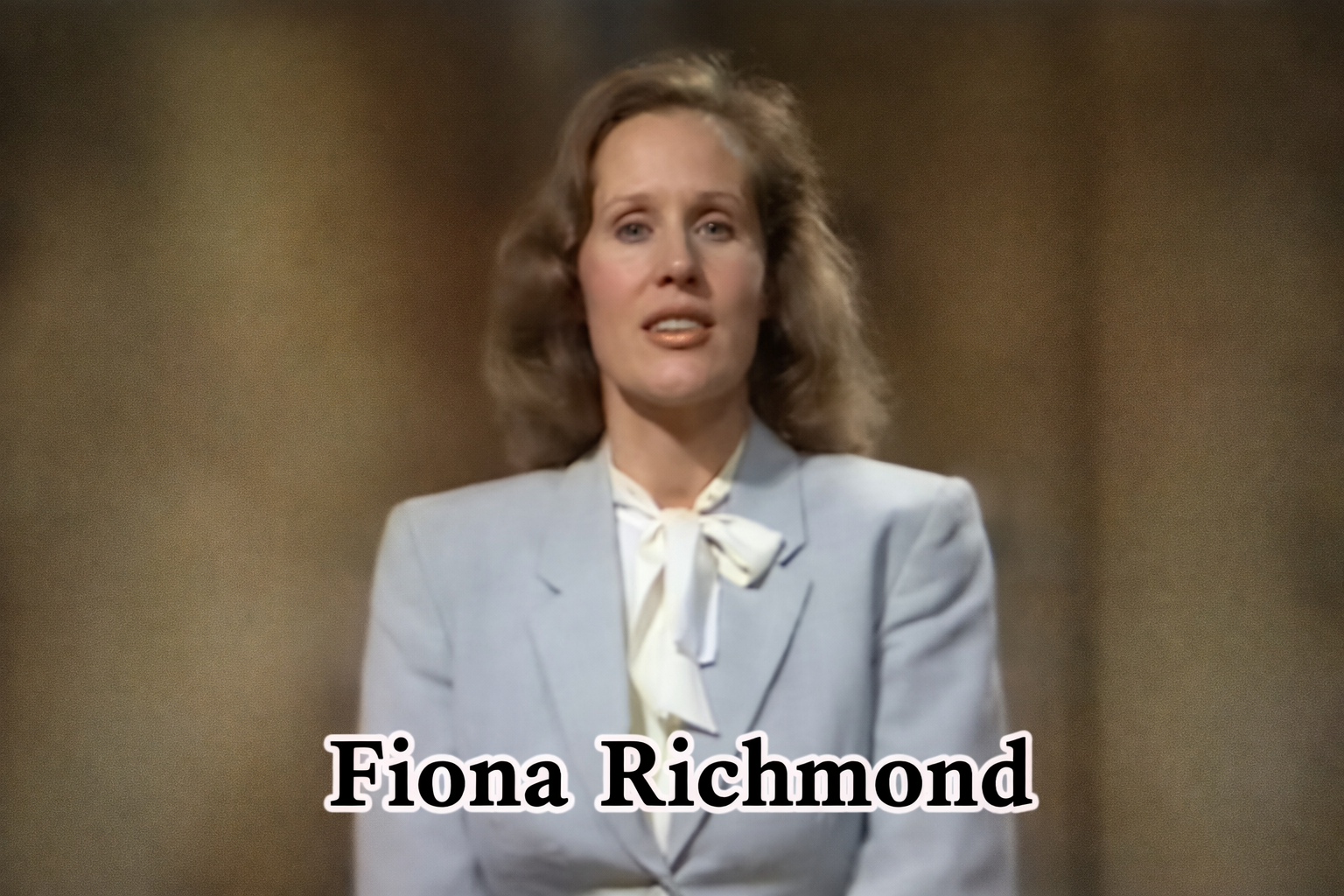
Fiona Richmond is remembered as one of the most striking and talked-about personalities of 1970s British glamour culture. Rising during a period of dramatic social transformation in the United Kingdom, she became a recognizable face in magazines, theatre productions, and films. Her presence was magnetic and impossible to ignore, but her fame also triggered intense debate and criticism.
Her journey is both inspiring and complex. On one hand, she demonstrated bold independence and sharp media intelligence. On the other hand, her career unfolded in an industry often criticized for sensationalism and objectification. Understanding Fiona Richmond requires examining not only her modeling career but also her influence on British pop culture, entertainment media, and celebrity branding.
Quick Bio: Fiona Richmond
| Field | Information |
|---|---|
| Full Name | Fiona Richmond |
| Birth Name | Julia Rosamund Harrison |
| Date of Birth | 2 March 1945 |
| Place of Birth | England, United Kingdom |
| Nationality | British |
| Profession | Glamour Model, Actress, Writer, Columnist |
| Active Years | Primarily 1970s–1980s |
| Known For | 1970s British glamour modeling and film appearances |
| Other Work | Author, Media Columnist, Hospitality Business |
| Cultural Era | 1970s British Glamour & Pop Culture Movement |
Early Career and Breakthrough in Glamour Modeling
Entering the Magazine World
Fiona Richmond’s breakthrough came through features in prominent British adult lifestyle magazines of the 1970s. These publications were gaining significant circulation during a time when public curiosity about glamour and celebrity culture was intensifying.
Her appearances were not limited to photographs. She contributed personality-driven content, including written columns, which gave her a stronger personal connection with readers. This strategic approach elevated her beyond being simply a cover model.
Building a Recognizable Brand
What made Fiona Richmond stand out was her understanding of media exposure. She was not just featured; she became a recurring personality. Her bold confidence and consistent visibility created a powerful personal brand in an increasingly competitive entertainment landscape.
Supporters praised her for owning her image rather than allowing others to define it. Critics, however, argued that her fame depended heavily on sensationalism. This dual reaction became a defining element of her public narrative.
Film Career and Stage Performances
Transition Into Cinema
Fiona Richmond appeared in several films during the 1970s and 1980s, many of which were linked to comedy or adult-themed storytelling. Some productions were closely associated with her public persona, reinforcing her image as a glamour icon.
Her screen roles attracted attention due to her established fame. While some viewers appreciated her charisma and screen presence, others questioned whether her casting was influenced more by notoriety than acting depth. This tension shaped how her film career was evaluated.
Theatre and Live Performance
In addition to cinema, she performed in theatre productions, including stage comedies and experimental shows. Theatre demanded direct audience engagement, which required confidence and adaptability.
Her stage work demonstrated that she was willing to move beyond print media. Even though reviews were mixed, her participation in live performance expanded her professional scope and reinforced her public visibility.
Media Image: Applause and Backlash
Public Admiration
Many observers viewed Fiona Richmond as fearless and independent. In an era when female public figures often had limited control over their image, she projected self-direction and strategic media awareness.
Her interviews often showed humor and self-awareness. She appeared conscious of the controversy surrounding her image and did not shy away from discussing it. This transparency strengthened her connection with supporters.
Cultural Criticism
At the same time, her association with adult publications sparked criticism. Some commentators dismissed her career as purely provocative. This negative framing sometimes overshadowed her business intelligence and adaptability.
Her experience illustrates how cultural values influence public perception. Glamour models of that era were frequently judged more harshly than other entertainers, regardless of their professional effort or versatility.
Writing and Later Reinvention
Author and Columnist
After her peak modeling years, Fiona Richmond shifted more heavily toward writing. She authored books and contributed columns, allowing her to reshape her narrative through her own voice.
Writing offered a different kind of authority. Instead of being visually represented by photographers, she articulated her experiences directly. This phase added intellectual dimension to her public identity.
Business Ventures and Personal Transition
Later in life, she became involved in hospitality and small business management. Moving from the spotlight into entrepreneurship marked a dramatic shift in lifestyle.
This reinvention reflects a practical and forward-thinking mindset. Many celebrities struggle after intense fame fades, but she managed to create alternative professional paths that provided stability.
Cultural Impact and Historical Significance
Influence on British Glamour Culture
Fiona Richmond remains a reference point in discussions about British 1970s glamour and media transformation. Her career demonstrates how personality branding began evolving during that period.
She was part of a broader movement that reshaped how female celebrities navigated publicity. While the glamour industry was controversial, it also reflected expanding media freedom and changing social attitudes.
Modern Reassessment
Today, historians and cultural commentators evaluate her more comprehensively. Instead of focusing solely on controversy, they analyze her role within entertainment history.
Her legacy is complex but undeniably influential. She represents a moment when British pop culture was testing boundaries and redefining fame.
Conclusion
Fiona Richmond’s story is powerful not because it is simple, but because it is layered. She rose boldly within a competitive and controversial industry, faced intense public scrutiny, and later reinvented herself beyond the spotlight. Her career contains both triumph and criticism, independence and debate.
She remains an emblematic figure of 1970s British glamour culture — a woman who embraced visibility, navigated backlash, and ultimately reshaped her path. Whether viewed as daring or divisive, her impact on media history continues to be examined and discussed.
Frequently Asked Questions
What is Fiona Richmond famous for?
She is famous as a British glamour model, actress, and media personality of the 1970s who appeared in magazines, films, and theatre productions.
Did Fiona Richmond work outside modeling?
Yes. She acted in films and stage productions, wrote columns and books, and later managed business ventures in hospitality.
Why was her career controversial?
Her association with adult-themed magazines and provocative media content led to both admiration and criticism.
Did she successfully transition after her modeling career?
Yes. She moved into writing and business, demonstrating adaptability beyond entertainment fame.
Why is Fiona Richmond still relevant today?
She is discussed in media history and cultural studies as a key figure in 1970s British glamour and celebrity branding evolution.