Robert Freegard: The Powerful Rise and Dark Fall of Britain’s Most Notorious Fake Spy
The Real Truth Behind Manipulation, Deception, Psychological Control, and Criminal Fraud

Introduction
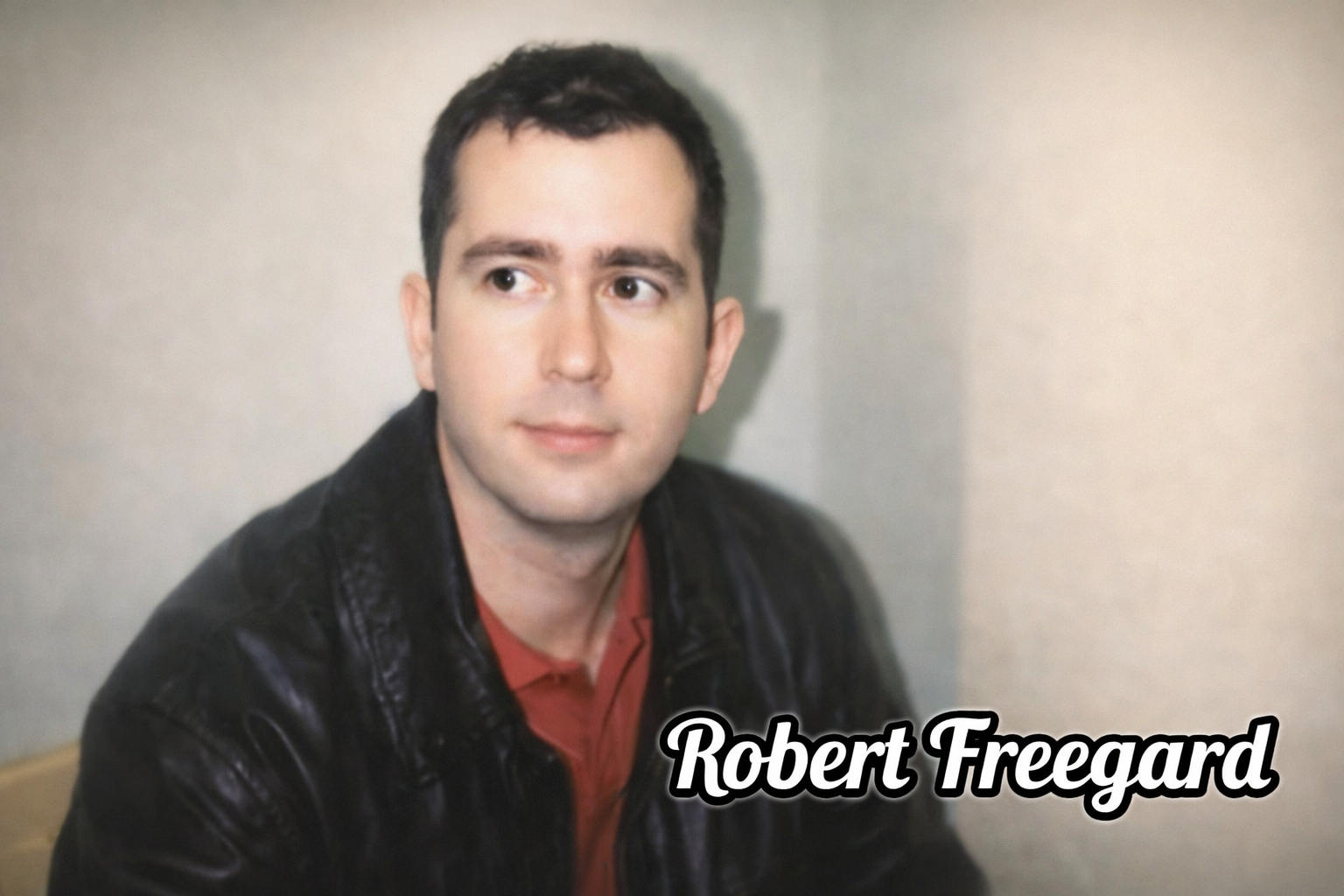
Robert Freegard is widely recognized as one of the most shocking con artists in modern British criminal history. His story is both deeply disturbing and highly instructive. By pretending to be an undercover intelligence officer, he managed to control, isolate, and financially exploit multiple victims over several years. His case is often studied in discussions about coercive control, fraud psychology, and emotional manipulation.
While the crimes connected to Robert Freegard reveal the negative power of deception, the public exposure of his methods has created a positive impact by improving awareness around fraud and psychological coercion. Understanding how these schemes worked helps people recognize warning signs and protect themselves from similar manipulation tactics.
Quick Bio: Robert Hendy-Freegard
| Field | Details |
|---|---|
| Full Name | Robert Hendy-Freegard |
| Common Name | Robert Freegard |
| Date of Birth | March 1, 1971 |
| Age | 54 years |
| Birthplace | England |
| Nationality | British |
| Known For | Fake spy fraud and psychological manipulation |
| Criminal Type | Conman, fraud offender |
| Famous Alias Claims | Undercover intelligence agent |
| Media Coverage | True-crime documentaries and films |
Who Is Robert Freegard?
Robert Freegard is known for running long-term deception operations based on false authority. He did not rely on simple scams or quick fraud. Instead, he built detailed fictional identities and used emotional pressure to gain trust and obedience from victims. His most famous lie was that he worked as a secret government intelligence operative.
This false identity allowed him to create believable danger scenarios. Victims were told they were at risk from terrorist groups and needed to follow his instructions to survive. This combination of fear and authority created a strong psychological grip.
The Fake Intelligence Agent Narrative
How the Spy Story Was Built
One of the most powerful elements of the Robert Freegard deception strategy was the fake undercover agent role. He used serious language, classified-style warnings, and confidential tone to make his claims sound real. He avoided casual conversation and kept interactions intense and controlled.
The story worked because it discouraged verification. Victims were warned that checking his identity would “expose operations” and put lives at risk. This removed normal fact-checking behavior and replaced it with secrecy obedience.
Why People Believed the Lie
People tend to trust perceived authority figures, especially under pressure. When someone speaks with certainty and urgency, the brain often accepts the claim before questioning it. This is a known persuasion principle used in both positive leadership and negative manipulation.
His confident delivery and detailed scenarios made the lie feel structured and official rather than random.
Psychological Manipulation Methods
Isolation as a Control Tool
Robert Freegard often encouraged victims to reduce contact with family and friends. He suggested loved ones could not be trusted or might accidentally reveal sensitive information. This method weakened external influence and increased dependency.
Isolation is a common control technique seen in cult behavior and coercive relationships. Without outside perspectives, false narratives become harder to challenge.
Fear and Urgency Pressure
Fear was repeatedly used as a motivator. Victims were told that delay or disobedience could lead to arrest, violence, or retaliation. Urgency reduces rational thinking and increases compliance speed.
The negative side is emotional damage. The positive lesson is that modern fraud education now teaches people to slow down decisions when fear and urgency are combined.
Financial Exploitation and Dependency
Gradual Money Requests
Instead of demanding large sums immediately, he often built financial commitment gradually. Small support payments turned into larger transfers. This step-by-step escalation made the requests feel more acceptable over time.
This persuasion pattern is known as incremental commitment. Recognizing it helps people detect manipulation earlier.
Control Through Financial Reliance
Some victims became financially dependent during the deception period. By controlling money flow and movement decisions, he increased psychological control. Financial control often reinforces emotional control.
Awareness campaigns now highlight this pattern as a major red flag in fraud and abuse cases.
Investigation and Arrest
Evidence Gathering
Authorities eventually built a case using victim testimony, financial records, and identity inconsistencies. Patterns across multiple victims showed a repeated deception model rather than isolated misunderstandings.
Investigations into long-term fraud require patience and pattern analysis. This case demonstrated the value of coordinated victim reporting.
Trial and Court Decisions
Robert Freegard was convicted on multiple charges related to deception and fraud. Some original charges were later changed on appeal due to legal definitions, which adjusted the sentence length. This created debate — some saw it as fair legal correction, others as insufficient accountability.
Both viewpoints highlight how complex psychological fraud cases can be within legal systems.
Media Impact and Public Awareness
Documentaries and Dramatized Stories
The Robert Freegard case later became the subject of major true-crime documentaries and dramatized films. These productions introduced the story to global audiences and expanded public discussion around coercive manipulation.
Media exposure can be negative when sensationalized, but positive when educational. In this case, awareness benefits have been significant.
Why the Case Still Matters Today
Modern scams increasingly use digital channels, but the psychological principles remain the same: authority claims, fear pressure, secrecy demands, and emotional bonding. That makes this case still relevant.
Education built from real cases is more memorable and effective than abstract warnings.
Behavioral Red Flags Learned From This Case
Authority Without Verification
One major warning sign is someone claiming secret authority while blocking verification. Legitimate officials allow identity confirmation through proper channels.
Secrecy used to block checking is a manipulation indicator.
Pressure to Cut Off Support Systems
Any instruction to isolate from trusted people should raise caution. Healthy guidance encourages support networks, not separation.
This lesson is now widely taught in fraud prevention programs.
Positive Lessons From a Negative Story
While the Robert Freegard story contains serious wrongdoing, it has produced strong positive educational value. Law enforcement training, fraud awareness campaigns, and psychological research frequently reference cases like this.
Public understanding of coercive control has improved. That knowledge helps prevent future harm.
Conclusion
Robert Freegard’s story is a powerful example of how intelligence, confidence, and psychological pressure can be misused for deception. It is also proof that awareness, investigation, and education can expose even long-running manipulation schemes. The negative acts caused harm, but the lessons learned now protect others.
Understanding fraud psychology, authority manipulation, and emotional control techniques is one of the strongest defenses individuals can have today.
FAQs
What is Robert Freegard known for?
He is known for posing as an undercover intelligence agent and manipulating victims through fear and deception.
What is Robert Hendy-Freegard’s age?
He is 54 years old, born on March 1, 1971.
What type of criminal activity was involved?
His crimes involved fraud, deception, coercive control, and financial exploitation.
Did he really work for intelligence services?
No, the intelligence agent identity was fabricated.
Why is this case important for fraud awareness?
It demonstrates how psychological manipulation works and helps people recognize scam warning signs early.