Maureen Long: The Woman Who Survived the Yorkshire Ripper’s Brutality
A rare and unflinching account of survival, trauma, and strength in one of Britain’s darkest eras

Introduction
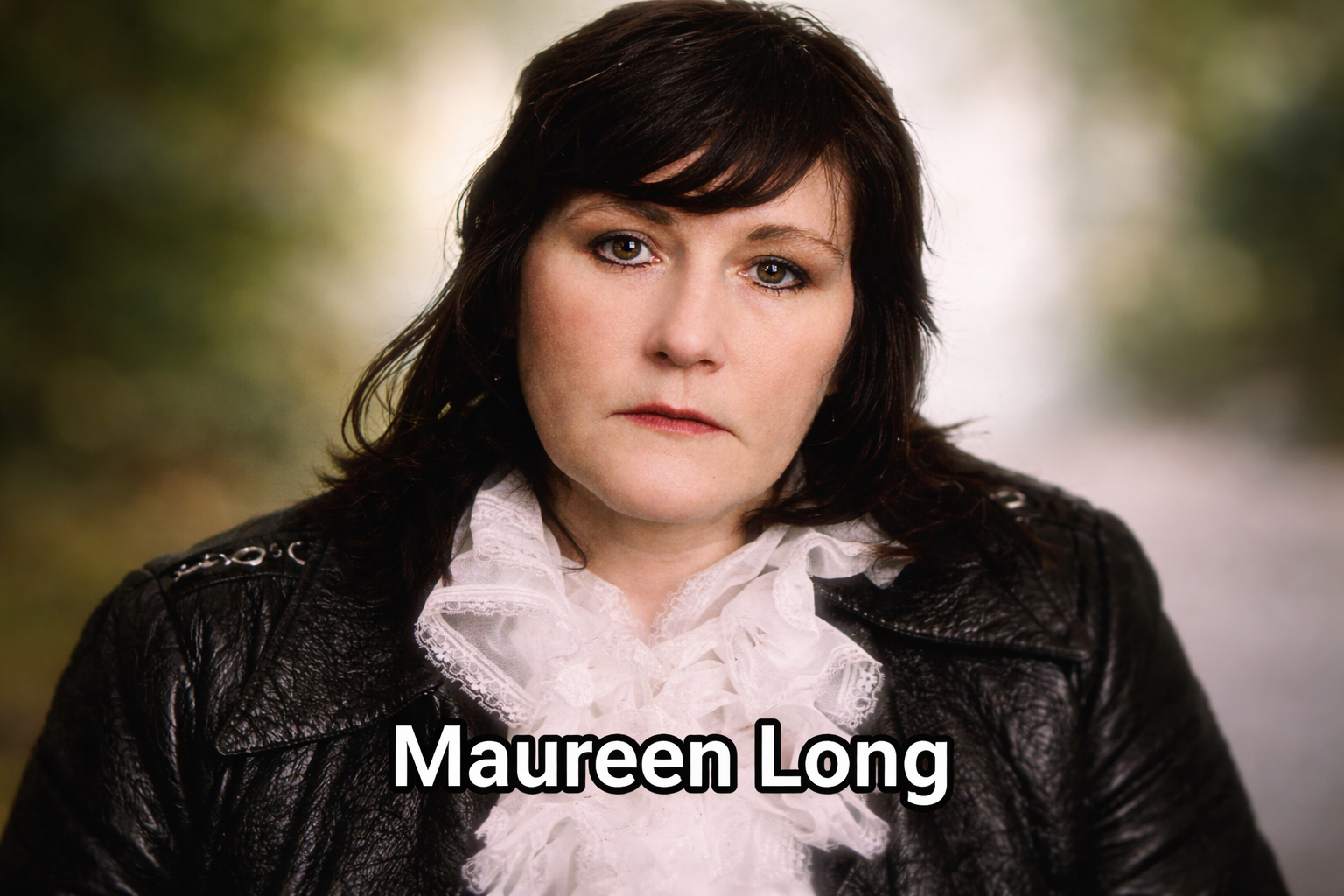
The name Maureen Long does not appear in history because of fame or attention, but because she lived when survival seemed almost impossible. In a period marked by fear, violence, and uncertainty across northern England, her story stands apart. While many lives were tragically lost, Maureen Long survived an attack that should have ended her life, leaving her permanently changed but unbroken.
Her experience forces a shift in focus. Instead of centering on the killer, it brings attention to the human cost of violence, the reality of survival, and the silent strength carried by those who live on after extreme trauma. Her story is powerful not because of drama, but because it is real.
Quick Bio: Maureen Long
| Field | Details |
|---|---|
| Full Name | Maureen Long |
| Nationality | British |
| Age at Time of Attack | 42 years |
| Year of Attack | 1977 |
| Location | West Yorkshire, England |
| Known For | Survivor of a Yorkshire Ripper attack |
| Injuries | Severe head and abdominal injuries |
| Outcome | Survived the assault |
| Historical Importance | One of the few confirmed survivors |
An Ordinary Life Before Violence
Before her name entered the public record, Maureen Long lived an ordinary life. There was nothing remarkable or unusual about her daily routine. She was not seeking attention, danger, or notoriety. She was simply living.
This ordinariness is what makes her story so unsettling. Positively, it reminds us that victims and survivors are everyday people. Negatively, it exposes how randomly violence can strike, turning normal moments into lifelong trauma without warning.
The Night That Changed Everything
In July 1977, Maureen Long encountered a man who would later be identified as one of Britain’s most notorious serial killers. At the time, the full scale of the threat terrorizing northern England was still unfolding.
The attack was sudden and brutal. She was struck and stabbed, suffering injuries so severe that survival seemed unlikely. The violence reflected a wider pattern already haunting the region, but for Maureen, it became intensely personal.
Survival Against All Odds
Maureen Long survived injuries that had ended many other lives. Her survival was not just rare, it was extraordinary. She lived when she was expected to die.
This survival carries two realities. On the positive side, it meant life continued. On the negative side, survival did not mean freedom from pain. Physical injuries healed slowly, while emotional wounds often linger far longer.
Medical Recovery and Hidden Struggles
Following the attack, Maureen required urgent medical intervention. Details of her treatment remain largely private, reflecting the reality that survivors often recover away from public view.
Healing from such violence is never only physical. Survivors frequently endure fear, anxiety, and lasting psychological effects. Recovery is not a straight path; it is ongoing and deeply personal.
A Survivor Within a Larger Horror
Maureen Long’s survival placed her within the broader Yorkshire Ripper case, a period defined by investigative failures, public panic, and devastating loss. Her case did not immediately stop the killer, but it added to the growing understanding of his methods.
Negatively, delayed recognition of patterns meant more victims followed. Positively, survivor accounts like hers later helped experts and historians understand the true scope of the violence.
Media Silence and Survivor Invisibility
At the time, media attention focused heavily on fear and headlines rather than recovery. Survivors like Maureen Long were often mentioned briefly, then forgotten.
This imbalance matters. When survivors are overlooked, their strength is erased. Remembering Maureen Long helps restore that missing perspective and re-center the narrative on human resilience.
Living With the Aftermath
Survival does not end when the attack ends. For Maureen Long, life after the assault meant adapting to a new reality shaped by trauma.
Positively, survival reflects resilience and strength. Negatively, it often includes lifelong emotional consequences. This dual reality defines the true cost of violent crime.
Historical and Social Importance
Maureen Long’s experience represents more than an individual event. It reflects the broader impact of serial violence on society, policing, and victim support.
Her survival helped highlight the need for better recognition of survivors within criminal justice systems. It also contributed to later discussions about compensation, trauma care, and victim-centered approaches.
Why Her Story Still Matters
Decades later, Maureen Long’s story remains relevant because it challenges how history is told. It reminds us that not all stories end in death, but survival deserves equal recognition.
Remembering her is not about revisiting fear. It is about acknowledging courage, endurance, and the long shadow violence casts on those who live on.
Conclusion
Maureen Long is not defined by the man who attacked her. She is defined by survival. Her story stands as a powerful reminder that even in the darkest chapters of history, human strength persists.
By focusing on her experience, attention shifts away from infamy and toward humanity. Her life, resilience, and survival deserve to be remembered with seriousness and respect.
Frequently Asked Questions
Who is Maureen Long?
Maureen Long is a British woman who survived a violent attack during the Yorkshire Ripper era.
Why is Maureen Long important in history?
She is one of the few confirmed survivors, offering a rare perspective on survival amid serial violence.
How old was she during the attack?
She was 42 years old at the time.
Did her survival help catch the killer?
Her case contributed to understanding the attacker’s behavior, though arrest came later.
Is Maureen Long still alive?
Public records confirm her survival; further personal details remain private.
What does her story represent today?
Her story represents resilience, survival, and the need to center victims and survivors in historical narratives.