Nathan Matthews: The Dark Reality Behind a Name That Shook the United Kingdom
An authoritative, fact-based account of crime, betrayal, justice, and lasting consequences

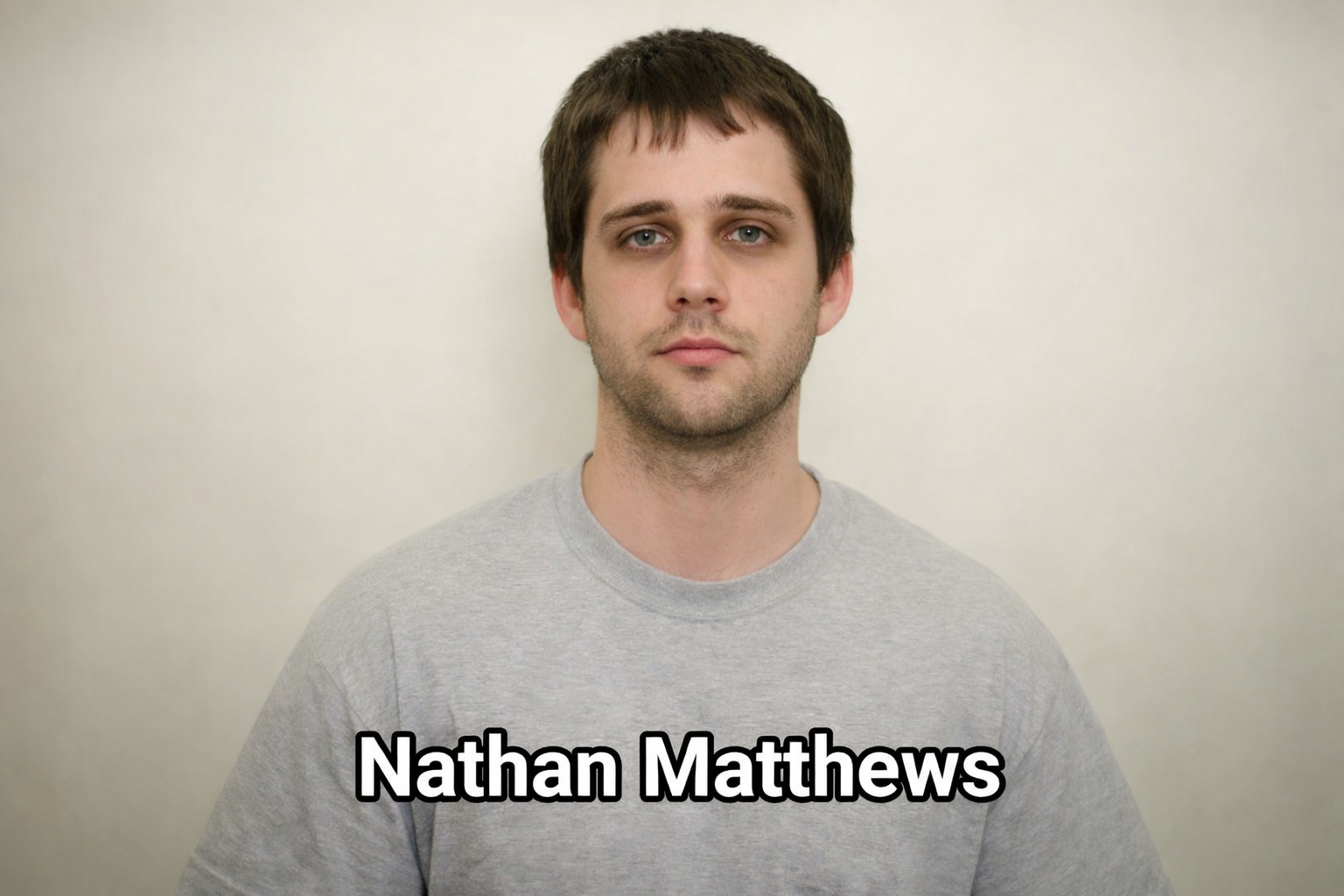
Introduction
The name Nathan Matthews is not remembered for achievement, contribution, or talent. It is remembered because it became inseparably linked to one of the most disturbing criminal cases in recent British history. The case shocked the nation not only because of its brutality, but because it unfolded inside a family home—an environment meant to represent safety, trust, and protection.
The case of Nathan Matthews stands as a stark reminder of how devastating consequences can emerge from within familiar spaces. What initially appeared to be an ordinary household in Bristol became the setting for a crime that deeply unsettled the nation. The events surrounding this case exposed not only a severe breach of trust but also the critical role of law enforcement and the justice system in uncovering the truth. Beyond the courtroom verdict, the case continues to influence public discussions about safeguarding, accountability, and the responsibilities individuals hold toward vulnerable members of society.
Quick Bio: Nathan Matthews
| Field | Details |
|---|---|
| Full Name | Nathan Matthews |
| Nationality | British |
| Place of Residence (at time of crime) | Bristol, England |
| Known For | Convicted murderer in the Becky Watts case |
| Victim | Rebecca “Becky” Watts (stepsister) |
| Year of Crime | 2015 |
| Legal Charges | Murder and related criminal offences |
| Court | Bristol Crown Court |
| Sentence | Life imprisonment |
| Minimum Term | 33 years before parole eligibility |
| Current Status | Incarcerated under UK law |
Who Nathan Matthews Was Before the Crime
Before 2015, Nathan Matthews lived a largely private life with no public recognition. He was not a public figure, professional authority, or media personality. Like many serious offenders, he appeared outwardly ordinary, which later intensified public shock when the truth emerged.
This contrast between appearance and reality is one of the most unsettling aspects of the case. On the surface, there were no signs that would immediately predict extreme violence. On a factual but sobering note, this reality reinforces how dangerous behavior can exist unnoticed until irreversible harm occurs.
Family Environment and Context
The crime occurred within a shared household. Becky Watts, a 16-year-old teenager, lived in the same home as Nathan Matthews. Family spaces are typically associated with care and guardianship, which made the betrayal especially devastating.
This context transformed the case into more than a criminal act; it became a symbol of broken trust. Positively, the case led to renewed national discussions around safeguarding, domestic oversight, and the responsibility of adults toward minors. Negatively, it revealed how proximity can sometimes enable harm rather than prevent it.
The Disappearance That Triggered a National Search
In February 2015, Becky Watts was reported missing from her Bristol home. What began as a missing-person investigation quickly escalated due to inconsistencies and concerning details uncovered by police.
The urgency of the search demonstrated the effectiveness of coordinated law enforcement response. At the same time, the unfolding evidence exposed deliberate deception. The transition from hope to horror was swift, and it marked a turning point that would define the case forever.
Discovery of the Crime
The investigation revealed that Becky Watts had been murdered shortly after her disappearance. Evidence showed intentional actions taken to conceal the crime, which became a critical factor during legal proceedings.
From a justice perspective, the discovery phase highlighted the importance of forensic investigation, persistence, and methodical policing. From a human perspective, it marked an irreversible loss that no sentence could truly repair.
Arrest and Criminal Charges
Nathan Matthews was arrested and formally charged with murder and related offenses connected to the handling of the victim’s body. The charges reflected not only the act itself but also the attempts to obstruct justice.
This stage reinforced the principle that criminal responsibility extends beyond the initial act. Accountability includes actions taken afterward, particularly when they show intent to evade the law.
Trial and Court Proceedings
The trial at Bristol Crown Court was detailed, evidence-driven, and legally rigorous. Prosecutors presented forensic findings, timelines, and admissions that established guilt beyond reasonable doubt.
The courtroom process demonstrated the strength of the UK legal system when handling severe crimes. While the content of the trial was deeply disturbing, the proceedings themselves were structured, transparent, and rooted in due process.
Conviction and Life Sentence
Nathan Matthews was convicted of murder and received a life sentence with a minimum term of 33 years. This sentence reflected the extreme seriousness of the crime, the aggravating factors involved, and the lasting harm caused.
From a positive legal standpoint, the sentence affirmed that the justice system responds decisively to crimes of exceptional brutality. From a moral standpoint, it underscored that some actions permanently remove the right to freedom.
Public Reaction and Media Impact
The case generated widespread public outrage and grief. Communities across the UK expressed solidarity with the victim’s family while demanding accountability.
Media coverage played a dual role. Positively, it kept public attention on justice and safeguarding. Negatively, it raised concerns about ethical reporting and the emotional toll on families affected by violent crime.
Psychological and Social Implications
Cases like this force society to confront uncomfortable truths about human behavior. Experts often reference the Matthews case in discussions about criminal psychology, manipulation, and hidden risk factors.
Socially, the case strengthened conversations around youth protection, reporting concerns, and listening seriously to vulnerable individuals. Its impact extended beyond the courtroom into policy discussions and community awareness.
Current Legal Status
Nathan Matthews remains incarcerated, serving his life sentence under UK law. Appeals against conviction and sentence were dismissed, confirming the court’s findings.
There is no indication of reduced accountability beyond what is already defined by law. His legal status is settled and governed strictly by parole regulations.
Why the Case Still Matters
This case remains relevant not because of notoriety, but because of its lessons. It demonstrates how quickly trust can turn into tragedy and why vigilance, safeguarding, and accountability are essential.
Remembering the case is not about the perpetrator’s name. It is about acknowledging loss, reinforcing justice, and preventing repetition.
Conclusion
Nathan Matthews represents a dark reality where betrayal, violence, and consequence intersect. The facts are harsh, but they are necessary to confront. Justice was served through a lawful process, yet the true cost can never be undone.
Understanding this case matters—not for shock value, but for awareness, responsibility, and societal protection.
Frequently Asked Questions
Who is Nathan Matthews?
Nathan Matthews is a British man convicted of murdering his teenage stepsister, Becky Watts, in Bristol in 2015.
What sentence did Nathan Matthews receive?
He received a life sentence with a minimum term of 33 years before parole eligibility.
Is Nathan Matthews still in prison?
Yes, he remains incarcerated under UK law.
Why did the case shock the UK?
The crime occurred within a family home and involved extreme betrayal and violence.
Were appeals successful?
No, appeals against conviction and sentence were dismissed.
What is the broader lesson of this case?
The case highlights the importance of safeguarding, vigilance, and accountability within families and society.