Omar Berrada: Strategic Power, Visionary Leadership, and the High-Stakes Future of Modern Football
Inside the Rise of a Calculated Executive Redefining Global Football Management

Introduction
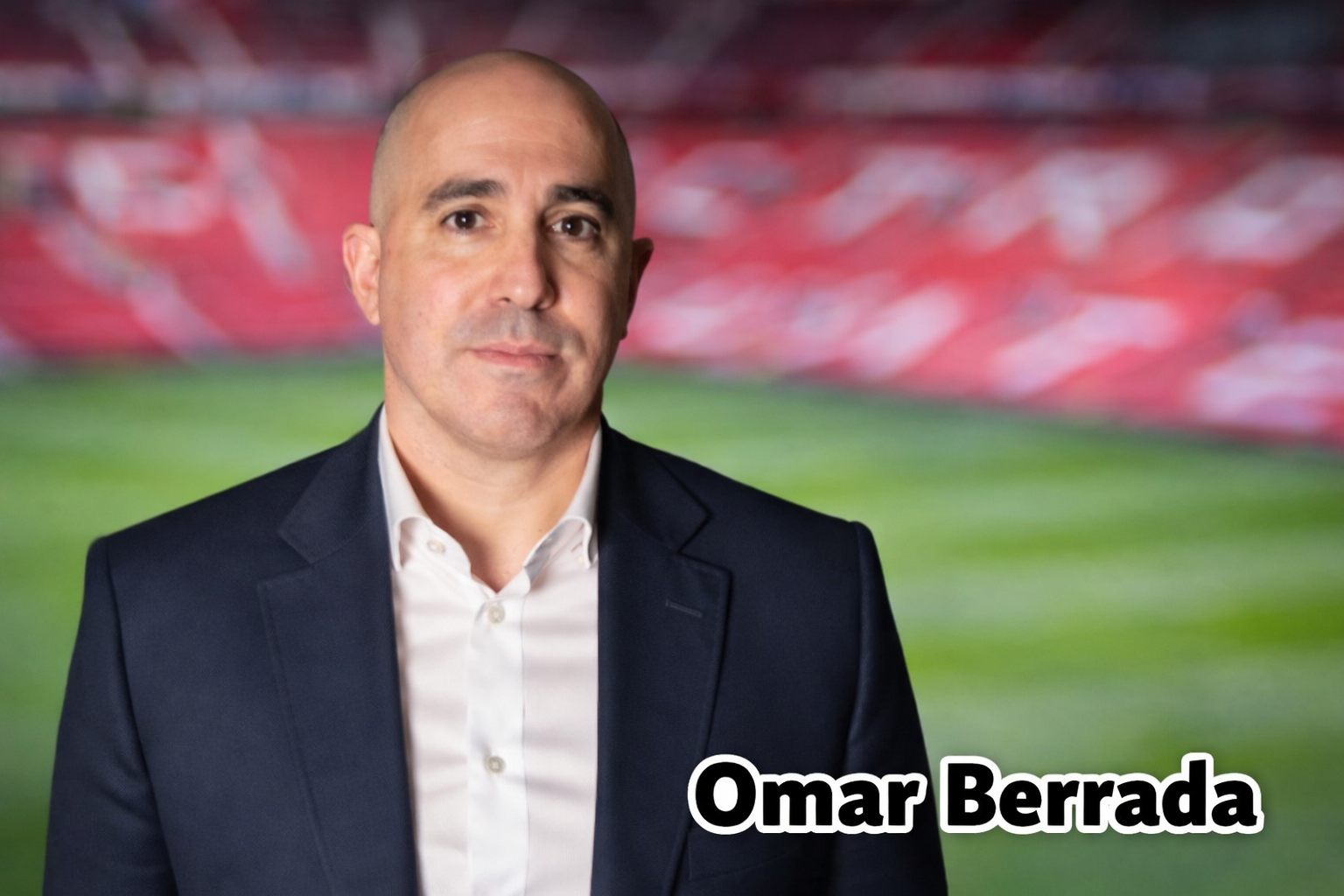
Omar Berrada is one of the most influential football executives of the modern era, known for blending commercial intelligence with football operations at the highest level. His rise to the position of Chief Executive Officer of Manchester United marked a defining moment not only for his career but also for the club’s long-term strategic direction. Calm, analytical, and disciplined, he represents a new generation of football leadership driven by structure rather than emotion.
However, leadership at the top of global football is never free from pressure. While Omar Berrada is widely praised for his strategic clarity and experience, he has also stepped into one of the most demanding roles in world sport. Manchester United’s scale, expectations, and recent instability present both an opportunity for transformation and a risk of intense scrutiny.
Quick Bio of Omar Berrada
| Field | Details |
|---|---|
| Full Name | Omar Berrada |
| Year of Birth | 1978 |
| Place of Birth | Paris, France |
| Nationality | French |
| Professional Background | Football executive, business strategist |
| Current Role | Chief Executive Officer, Manchester United |
| Previous Experience | Senior leadership roles at Manchester City and City Football Group |
| Education | Business administration |
| Known For | Football operations, commercial growth, strategic leadership |
| Public Image | Calm, analytical, results-focused |
Early Life and Global Perspective
Omar Berrada was born in Paris and raised with a multicultural outlook that later shaped his professional mindset. Exposure to different cultures and business environments at an early stage helped him develop adaptability, a trait essential for leadership in international football.
His academic background in business administration provided a solid foundation in management, finance, and strategy. Positively, this education prepared him for executive decision-making. Negatively, it placed him initially outside traditional football pathways, requiring him to earn credibility through results rather than reputation.
Entry into Professional Football
Omar Berrada’s transition into football management marked a decisive shift in his career. Early roles in commercial and marketing operations allowed him to understand how football clubs function as global brands, not just sporting institutions.
This commercial exposure became one of his strongest assets. While critics argue that business-focused executives risk disconnect from sporting culture, Berrada steadily proved that commercial discipline can strengthen football performance when applied correctly.
Growth at Manchester City
Omar Berrada’s rise at Manchester City represented a turning point. Over several years, he played a key role in expanding the club’s international presence, improving operational efficiency, and strengthening commercial partnerships.
His work was largely praised for being methodical and long-term focused. However, operating within a highly structured and well-funded environment also raised questions about how his leadership would translate to a more complex setting. These questions became central after his next career move.
Leadership at City Football Group
At City Football Group, Omar Berrada’s responsibilities expanded beyond a single club. He became involved in multi-club operations, talent pathways, and global coordination across football markets.
This experience strengthened his strategic thinking and operational control. On the negative side, managing such scale required balancing diverse football cultures, a challenge that sharpened his leadership but also tested his adaptability.
Appointment as Manchester United CEO
Omar Berrada’s appointment as Chief Executive Officer of Manchester United was one of the most high-profile executive moves in football. The role placed him at the center of a club with massive global reach and intense public expectations.
Positively, his arrival signaled a shift toward structured leadership and long-term planning. Negatively, it immediately placed him under extreme scrutiny, with fans and media demanding rapid improvement in performance, stability, and direction.
Leadership Style and Decision-Making
Omar Berrada is known for a leadership style rooted in clarity, structure, and accountability. He emphasizes systems, alignment between departments, and data-driven decision-making rather than reactive management.
While this approach promotes sustainability, it can also appear slow to those seeking instant results. This contrast highlights the challenge of managing a club where patience is often in short supply.
Commercial Strategy and Football Operations
One of Omar Berrada’s defining strengths is his ability to align commercial success with football operations. He understands that revenue growth, infrastructure, and sporting performance are interconnected.
However, maintaining this balance is difficult. Overemphasis on commercial outcomes risks fan dissatisfaction, while ignoring financial discipline threatens long-term stability. Navigating this tension will define his success at Manchester United.
Challenges and Criticism
Omar Berrada faces challenges that few executives encounter. Manchester United’s legacy, global fan base, and recent inconsistencies create an environment where every decision is amplified.
Critics argue that structural reform takes time fans may not allow. Supporters counter that Berrada’s disciplined approach is precisely what the club needs after years of instability. Both views underline the scale of responsibility he carries.
Impact on Modern Football Leadership
Beyond a single club, Omar Berrada represents a broader shift in football leadership. Executives today are expected to manage data, finances, brand identity, and sporting culture simultaneously.
His career demonstrates how modern football increasingly values strategic executives alongside traditional football figures. This evolution is positive for sustainability, though it risks distancing leadership from emotional fan culture if not handled carefully.
Conclusion
Omar Berrada stands at a critical point in modern football history. His career reflects intelligence, discipline, and strategic vision, qualities essential for leading elite clubs in a complex global environment.
Yet his success is not guaranteed. The same qualities that make him effective could be tested by impatience, pressure, and unrealistic expectations. Whether his tenure becomes a turning point or a lesson in modern football governance will depend on time, execution, and trust.
Frequently Asked Questions
Who is Omar Berrada?
Omar Berrada is a football executive and business strategist who serves as the Chief Executive Officer of Manchester United.
What is Omar Berrada known for?
He is known for his leadership roles at Manchester City, City Football Group, and his strategic appointment at Manchester United.
What makes Omar Berrada’s leadership style unique?
His leadership emphasizes structure, long-term planning, and alignment between commercial and football operations.
What challenges does Omar Berrada face at Manchester United?
He faces pressure to restore stability, improve performance, and manage one of the world’s most scrutinized football institutions.
Is Omar Berrada involved in football decisions?
Yes, his role includes overseeing football operations alongside broader executive responsibilities.