Gawain Towler: Strategy, Media Power, and a Life in Political Messaging
A veteran political communicator shaping narratives behind the scenes of modern British politics

Introduction
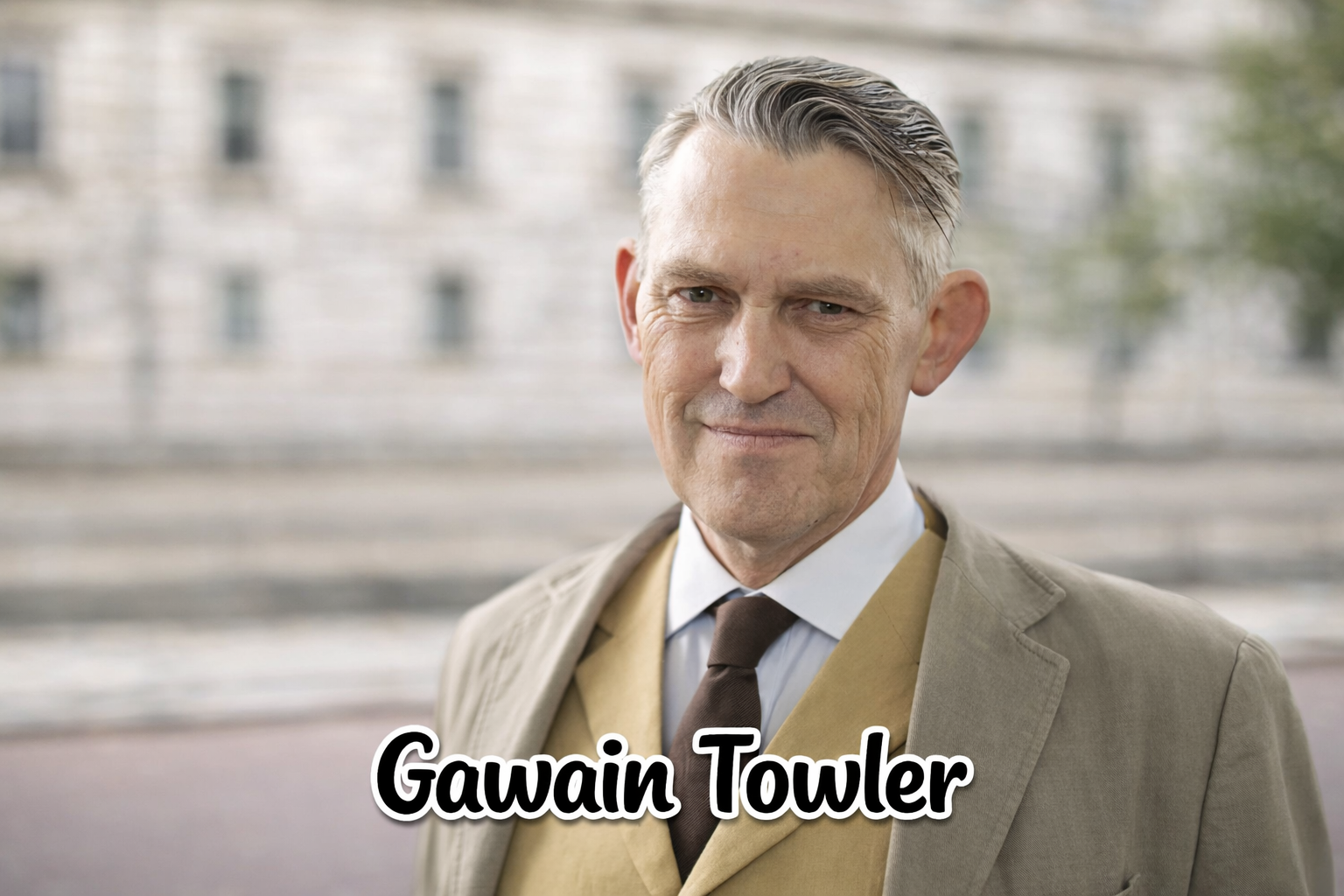
Gawain Towler is best understood as a political operator whose influence has been exercised not through elected office, but through control of narrative, message discipline, and media strategy. In modern British politics, where public perception often matters as much as policy detail, figures like Gawain Towler occupy a critical but frequently misunderstood position. He has spent decades shaping how political movements present themselves to the public, how they respond to criticism, and how they turn media pressure into political momentum.
Born on December 24, 1967, Gawain Towler is 58 years old, and his career spans some of the most turbulent and transformative periods in recent UK political history. From the rise of UK Independence Party to the Brexit era and the evolution of Reform UK, his professional life offers insight into how insurgent political movements communicate, survive controversy, and maintain relevance in a hostile media environment.
Quick Bio of Gawain Towler
| Field | Details |
|---|---|
| Full Name | Gawain Towler |
| Date of Birth | December 24, 1967 |
| Age | 58 years |
| Nationality | British |
| Profession | Political communicator and strategist |
| Known For | Senior communications roles in UK Eurosceptic politics |
| Political Associations | UK Independence Party, Brexit Party, Reform UK |
| Core Expertise | Media strategy, press relations, political messaging |
| Public Role | Behind-the-scenes strategist and party governance figure |
| Career Focus | Narrative control, crisis management, political communications |
Early Life and Entry Into Political Communications
Gawain Towler’s public identity is rooted in communications rather than traditional political pathways. Unlike politicians who emerge through party youth wings, local councils, or parliamentary careers, he built his reputation through press operations, media handling, and strategic messaging. This background shaped his instincts early on. Political communications demands speed, resilience, and a willingness to engage directly with criticism, often under intense pressure.
By the time he became widely known, Gawain Towler had already developed a reputation as someone comfortable operating in confrontational media settings. These environments reward clarity, repetition, and the ability to reframe difficult questions into advantageous narratives. His career trajectory reflects a deep understanding of how political debates are shaped less by lengthy arguments and more by headlines, soundbites, and sustained framing.
UKIP and the Rise of Insurgent Politics
Gawain Towler is most closely associated with UK Independence Party during its transformation from a fringe political force into a nationally disruptive movement. As a senior communications figure, he played a key role during years when UKIP relied heavily on media attention rather than parliamentary power.
This phase of his career coincided with a shift in British politics toward populist and Eurosceptic narratives. UKIP’s success was not built on detailed legislative programmes, but on a clear and emotionally resonant message about sovereignty, immigration, and political distrust. Communications was central to this strategy. Gawain Towler’s role involved defending the party under relentless scrutiny while ensuring its core themes remained dominant in public discussion.
The environment was adversarial by nature. UKIP attracted criticism from across the political spectrum, and its representatives were frequently challenged by journalists. In this context, communications leadership required not only message control but also psychological resilience. Gawain Towler’s work during this period established him as a figure capable of maintaining narrative discipline even when the party faced controversy.
Relationship With Leadership and Media Dynamics
A defining feature of Gawain Towler’s career has been his proximity to party leadership, particularly during periods when personality-driven politics became central to media coverage. Leaders with strong public personas rely heavily on communications teams to maintain consistency, manage risk, and amplify strengths.
In such arrangements, the communications lead often becomes a gatekeeper between leader, media, and public perception. Gawain Towler’s position placed him at the heart of this dynamic. He was responsible not only for responding to journalists, but also for shaping how stories were framed before they reached the public arena. This influence extended beyond crisis management into long-term narrative construction.
Brexit, Transition, and the Changing Political Landscape
The Brexit referendum marked a turning point for the political movement Gawain Towler had long been associated with. What had once been a campaign goal became a political reality, forcing a redefinition of purpose. For communications professionals, this transition posed new challenges. Messaging had to evolve from protest and pressure to interpretation, delivery, and critique of outcomes.
During this period, Gawain Towler remained active within the political ecosystem surrounding Brexit-focused parties. His experience in maintaining media attention proved valuable as movements attempted to justify their continued relevance. Communications strategy now required balancing credibility with disruption, avoiding the perception of redundancy while retaining a distinct voice.
Reform UK and Shifts in Professional Role
As UK politics continued to realign, Gawain Towler became associated with Reform UK, a successor entity that sought to inherit the energy of earlier Eurosceptic movements while adapting to a post-Brexit environment. Within this structure, he again operated in senior communications roles, contributing to media strategy and public positioning.
Over time, Reform UK pursued greater organisational professionalism, leading to internal changes and restructuring. Gawain Towler’s eventual transition away from day-to-day communications work marked an important shift. Rather than disappearing from political life, he moved into roles that reflected governance and strategic influence, including formal positions within party structures. This evolution highlights how experienced communications figures often shift from operational roles into advisory or leadership positions as movements mature.
Public Commentary and Intellectual Engagement
Beyond behind-the-scenes political work, Gawain Towler has also engaged publicly through commentary, writing, and participation in political discussions. These appearances provide insight into his understanding of the media environment he helped navigate for years.
Unlike purely academic analysts, his commentary is grounded in practical experience. He speaks from the perspective of someone who has managed hostile interviews, navigated internal party tensions, and operated under the constant pressure of public scrutiny. This gives his contributions a distinctive tone, blending analysis with lived experience.
Age, Experience, and Perspective
At 58 years old, Gawain Towler’s career reflects long-term immersion in political communications rather than short-term opportunism. His age matters not as trivia, but as context. He has witnessed the evolution of British media from print-dominated reporting to a digital ecosystem where narratives spread instantly and reputations can shift overnight.
This generational experience shapes his approach. He understands both the slower, institution-based politics of earlier decades and the rapid, attention-driven dynamics of modern platforms. Few political communicators bridge that divide as clearly, which partly explains his continued relevance even as party structures and branding change.
Influence Without Office
One of the most revealing aspects of Gawain Towler’s career is that he has exercised influence without holding elected office. This reflects a broader reality in contemporary politics. Power increasingly flows through narrative control, media access, and agenda-setting rather than solely through legislative authority.
Gawain Towler’s work demonstrates how political outcomes are shaped long before votes are cast or policies are drafted. By influencing what issues dominate discussion and how they are framed, communications professionals help determine the boundaries within which political debate occurs.
Conclusion
Gawain Towler stands as a clear example of how modern political influence operates behind the scenes. Born on December 24, 1967, and now 58 years old, his career spans the rise of Eurosceptic politics, the Brexit referendum, and the ongoing reshaping of Britain’s political landscape.
His significance lies not in public celebrity, but in strategic impact. Through communications leadership, media engagement, and later governance roles, Gawain Towler has helped shape how political movements explain themselves to the public and respond to opposition. Understanding his career offers a deeper understanding of contemporary politics itself, where the message often matters as much as the policy, and those who shape the message can leave a lasting imprint on public life.
Frequently Asked Questions About Gawain Towler
Who is Gawain Towler?
Gawain Towler is a British political communicator and strategist known for his long-standing role in shaping media narratives for Eurosceptic political movements in the UK. He has worked primarily behind the scenes rather than as an elected politician.
How old is Gawain Towler?
Gawain Towler was born on December 24, 1967, which makes him 58 years old.
What is Gawain Towler best known for?
He is best known for senior communications roles within UK Independence Party, the Brexit Party, and Reform UK, where he managed press strategy, media messaging, and public positioning during highly contentious political periods.
Is Gawain Towler a politician?
No, Gawain Towler is not an elected politician. His influence comes from political communications, strategy, and party governance rather than holding public office.
Why is Gawain Towler considered influential in UK politics?
He is considered influential because political messaging and media strategy play a major role in modern politics. His work helped keep insurgent political movements visible, disciplined, and relevant during moments of intense public and media scrutiny.