Robert Icke: The Visionary Playwright and Theatre Director Redefining Modern Drama
A Powerful Journey of Innovation, Courage, and Transformative Storytelling in Contemporary Theatre

Introduction
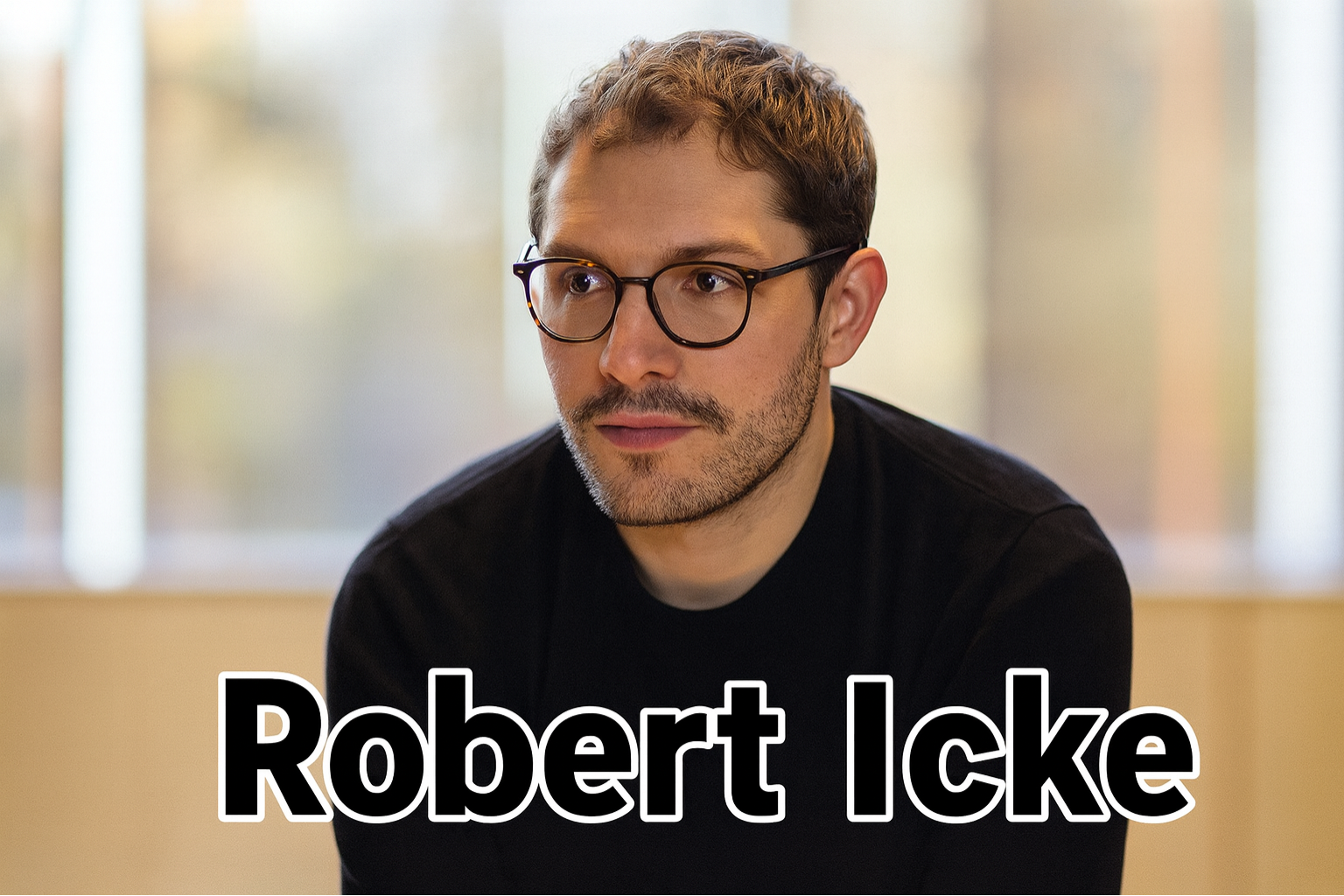
Robert Icke has emerged as one of the most daring and influential creative voices in modern theatre, admired across the world for his intellectual bravery, emotional depth, and radical reinterpretations of classic material. As a playwright and theatre director, his work has transformed how contemporary audiences experience Shakespeare, Greek tragedy, and complex modern narratives. With his sharp insight, cinematic theatrical style, and ability to blend psychological realism with innovative staging, Robert Icke has reshaped the landscape of British theatre and become a defining figure of twenty-first-century drama. His productions invite viewers to think, feel, and question, making him a theatre visionary whose influence continues to expand globally.
Quick Bio
| Category | Details |
|---|---|
| Full Name | Robert William Icke |
| Date of Birth | 29 November 1986 |
| Age | 38 (as of 2025) |
| Birthplace | Stockton-on-Tees, England |
| Nationality | English |
| Profession | Playwright and Theatre Director |
| Education | English degree, King’s College, University of Cambridge |
| Known For | Modern adaptations, innovative stage direction, psychological realism |
| Major Production Highlights | 1984, Oresteia, Hamlet, Mary Stuart, The Doctor, Oedipus |
| Career Roles | Associate Director at Headlong; Associate Director at Almeida Theatre |
| Signature Style | Minimalist staging, narrative clarity, emotional depth |
| Awards | Olivier Award, Critics’ Circle Award, Evening Standard Award |
| Global Influence | West End, international theatres, contemporary drama specialist |
Early Life and Academic Formation
Robert Icke grew up far from the professional theatre world, yet an early encounter with a powerful staging of Richard III awakened in him a fascination with dramatic storytelling. It was here, as a teenager, that he realised theatre could communicate psychological truth in a way few other art forms could accomplish. This encounter shaped his curiosity and helped develop the intellectual sensitivity that would later define his approach as a modern theatre visionary.
His academic journey at King’s College, Cambridge strengthened this foundation. Immersed in literature, dramatic theory, and narrative analysis, he cultivated a capacity to dissect text with both emotional intelligence and critical depth. These skills later became essential to his signature directing identity, one that blends ethical inquiry, psychological realism, and narrative clarity. Cambridge played a crucial role in refining his voice as both a playwright and theatre director, giving him the ability to reimagine classic works through a contemporary lens.
The Rise of a Contemporary Drama Specialist
Robert Icke began his professional path by founding Arden Theatre, a formative space where he experimented with staging methods, character-driven drama, and the emotional rhythms of classical stories. This early period revealed his instinctive understanding of actors, narrative structure, and minimalism-based staging, a combination that soon distinguished him from emerging directors of his time.
His breakthrough arrived when he became Associate Director at Headlong Theatre, where his adaptation of 1984 gained national attention. The production’s dramatic tension, narrative clarity, and modern thematic resonance showcased Icke’s extraordinary ability to translate literature into a gripping stage experience. The adaptation marked the emergence of a director unafraid to challenge audiences, confront ethical dilemmas, and reshape narrative expectations. It also established him as a central figure in British theatre, setting the stage for even greater accomplishments.
A Defining Era at the Almeida Theatre
Robert Icke’s work reached new creative heights during his tenure at the Almeida Theatre. Here, he directed a series of acclaimed productions that demonstrated why he is considered one of the most important theatre innovators of the modern era. His adaptation of Oresteia reimagined the ancient Greek tragedy with psychological depth and modern relevance, while his interpretations of Hamlet, Mary Stuart, The Wild Duck, and Uncle Vanya showcased his mastery of contemporary classic revival.
At the Almeida, Robert Icke reaffirmed himself as a contemporary drama specialist with a unique artistic identity. His staging approach, rooted in realism-based acting, minimalist stagecraft, and intellectual storytelling, pushed boundaries while preserving emotional authenticity. His Shakespeare adaptations introduced audiences to new ways of understanding familiar characters, revealing layers of humanity and conflict rarely seen in traditional productions. This period also highlighted his ability to balance innovation with respect for classical narrative structure, a rare talent among modern directors.
International Influence and Global Theatre Presence
Robert Icke’s influence soon extended beyond the UK, particularly through his residency at Internationaal Theater Amsterdam. Here, he directed modern reinterpretations such as Oedipus, Children of Nora, and Judas, reinforcing his status as a theatre figure whose work resonates across cultures. These productions displayed his cinematic theatrical style, merging lighting, sound, movement, and emotional nuance into cohesive storytelling that captivated audiences worldwide.
Through his European collaborations, Robert Icke demonstrated his versatility as both an intellectual theatre-maker and a global innovator. His ability to create thought-provoking drama that transcends linguistic and cultural boundaries has made him a significant presence in international theatre. His work continues to challenge viewers to reflect on human behaviour, moral complexity, and the social structures that shape contemporary life.
Signature Style and Artistic Identity
Robert Icke’s directing identity is built upon several defining traits that make him stand out among modern theatre innovators. He focuses deeply on psychological realism, ensuring that every character’s emotional journey feels authentic and grounded. His productions emphasise ethical questions, asking audiences to confront issues of justice, responsibility, and truth. His use of minimalist stage design and naturalistic acting allows the narrative to shine with clarity, while his cinematic influences give his productions a visual sophistication rarely seen in traditional theatre.
This blend of intellectual exploration, emotional resonance, and aesthetic precision makes him one of the most influential theatre directors of his generation.
Conclusion
Robert Icke’s impact on modern theatre is profound and far-reaching. Through his innovative reinterpretations of classical plays, his emotionally rich storytelling, and his courageous artistic vision, he has redefined what it means to be a playwright and theatre director in the contemporary era. His work continues to shape the evolution of British theatre while influencing directors and audiences around the world. His legacy stands as a powerful testament to the enduring relevance of thoughtful, provocative, and human-centred storytelling.
Frequently Asked Questions (FAQ)
Who is Robert Icke?
He is an English playwright and theatre director known for innovative reinterpretations of classic and modern drama.
What makes Robert Icke influential?
His psychological realism, minimalist staging, and reimagined classic plays have transformed modern theatre.
Which productions is he most known for?
His acclaimed works include 1984, Oresteia, Hamlet, Mary Stuart, The Doctor, and Oedipus.
Where did he study?
He studied English at King’s College, University of Cambridge.