Elizabeth Glinka: A Powerful Voice in British Political Journalism
How a Respected BBC Reporter Rose, Inspired, and Navigated the Challenges of Modern Broadcasting

Introduction
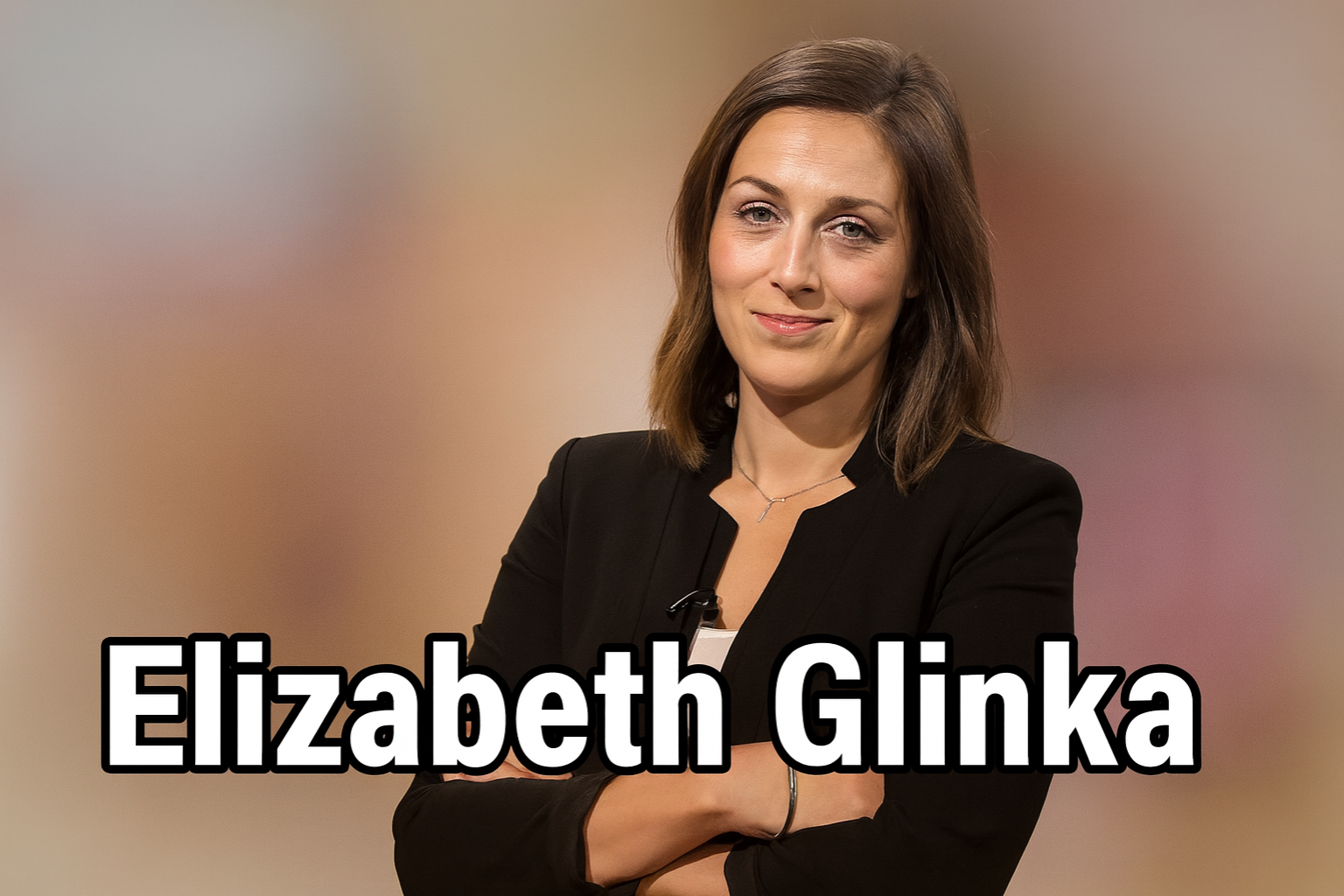
Elizabeth Glinka has become one of the most recognisable and respected political journalists in the British media landscape. Known for her sharp interviewing style, calm on-screen presence, and ability to break down complex political topics, she has built a strong reputation across the BBC network. Her journey from regional broadcasting to becoming the Political Editor for BBC Midlands showcases both determination and skill.
Her career has not been without pressure. Covering politics—an area filled with conflict, debate, and public scrutiny—demands accuracy, resilience, and clarity. Elizabeth Glinka has consistently demonstrated these traits, earning her recognition and trust among viewers.
Quick Bio
| Category | Information |
|---|---|
| Full Name | Elizabeth Glinka |
| Nationality | British |
| Birthplace | Staffordshire, England (grew up there) |
| Profession | Journalist, Political Editor (BBC Midlands) |
| Known For | Political reporting, BBC broadcasting |
| Start of Career | Carlton TV, BBC Radio 4 |
| Current Role | BBC Midlands Political Editor |
Who Is Elizabeth Glinka?
Elizabeth Glinka is a British journalist known for her extensive work in political reporting for the BBC. She is widely recognised for making complicated political developments clear and relatable for audiences across the Midlands and the UK. Her professionalism, credibility, and relatable communication style have positioned her as a leading figure in regional political journalism.
Her work spans local radio, television presenting, national reporting, and political analysis. Over the years, she has covered a wide range of political stories including elections, policy changes, community issues, and regional government affairs. Viewers know her for her fairness, clarity, and ability to ask the right questions at the right time.
Early Life and Local Roots
Elizabeth Glinka grew up in Staffordshire, a region she has often spoken fondly of. Her Midlands background shaped her connection to local communities and the stories that matter to them. She has expressed her strong attachment to Birmingham, a city she frequently visited as a child and now calls home as an adult.
These early experiences helped shape her understanding of social issues, community identities, and regional challenges. This often reflects in her reporting, where she emphasises the importance of local voices and regional representation in national conversations.
Start of Career in Broadcasting
First Steps in Media
Elizabeth began her professional media career at Carlton TV in Birmingham. This early experience exposed her to newsroom workflow, television production, and storytelling basics. Her passion for journalism continued to grow as she learned more about the technical and editorial sides of broadcasting.
She then joined BBC Radio 4 at Pebble Mill as a Broadcast Assistant. This role marked her first entry into the BBC ecosystem, allowing her to work closely with senior journalists, producers, and presenters. It helped her build a foundation in news reporting, editorial judgment, and on-air communication.
Building Skills in Local Radio
Elizabeth Glinka spent around six years working in BBC Local Radio. She worked in Worcester, Stoke-on-Trent, and later at BBC WM (West Midlands). These years shaped her into a versatile journalist capable of handling breaking news, interviews, live broadcasting, and local political coverage.
Her time in local radio also strengthened her connection with Midlands communities. She learned how regional issues impacted everyday people and how to communicate those stories effectively—skills that later made her a strong political reporter.
Rise Within the BBC
Transition to Television
In 2013, Elizabeth joined BBC Midlands Today as a breakfast and lunchtime presenter. This role required early morning starts, fast-paced reporting, and live studio presenting. Her clear communication style quickly made her popular among viewers.
Her work on Midlands Today showcased her presenting abilities and opened opportunities for larger roles. She demonstrated confidence on screen, handled interviews smoothly, and covered both breaking news and in-depth political stories.
National Correspondent and Westminster Reporting
In 2015, Elizabeth moved to London to become a national correspondent for BBC News. This step marked her entry into UK-wide political coverage. She reported on major national events, parliamentary developments, and significant political debates.
Her work at Westminster sharpened her political expertise. She later contributed to Newsnight, one of the BBC’s most respected political and investigative programs. This expanded her visibility and established her as a trusted political voice.
Return to the Midlands and Current Role
Relaunching Politics Midlands
Around 2020, Elizabeth returned to the Midlands to help relaunch Politics Midlands, the BBC’s flagship regional political program. Her return was welcomed by audiences who connected with her local roots and polished reporting style.
She currently serves as the Political Editor for BBC Midlands, where she leads political coverage for the region, conducts key interviews, and explains how national policies affect regional communities.
Reporting Style and Impact
Elizabeth Glinka is known for her balanced, insightful, and articulate reporting. She avoids unnecessary complexity, making political issues accessible to a wider audience. She also brings regional voices into important conversations, ensuring the Midlands receives attention in national discussions.
Her role is significant in strengthening democratic understanding, helping people stay informed about decisions affecting their daily lives, and challenging political figures with fairness and professionalism.
Latest News and Media Presence
Elizabeth continues to report on major political stories across the Midlands. She frequently appears on television, contributes to political debates, and publishes articles on current political developments. Her work remains consistent, accurate, and focused on public interest.
She also shines a light on regional issues such as community safety, economic policies, education matters, and local government decisions. Through her reporting, she helps ensure that the Midlands has a strong voice in national politics.
Legacy and Contribution to Journalism
Elizabeth Glinka’s legacy lies in her commitment to truthful, clear, and impactful political reporting. She has successfully bridged the gap between local communities and national decision-making. Her work empowers viewers by helping them understand political systems, election issues, and policy outcomes.
She remains an influential figure in British journalism, especially for aspiring reporters looking to build careers from regional broadcasting to national recognition. Her career demonstrates that dedication, authenticity, and strong communication can create a meaningful impact in the media world.
Conclusion
Elizabeth Glinka stands out as a journalist who combines experience, local insight, and political intelligence. Her journey from local media to BBC Political Editor shows her determination and passion for storytelling. Her positive influence on political journalism continues, even as she navigates the challenges of covering complex and often contentious issues. She represents both the strengths and pressures of modern journalism, making her profile compelling and noteworthy.
FAQs
1. Who is Elizabeth Glinka?
Elizabeth Glinka is a British journalist and the Political Editor for BBC Midlands.
2. What is she known for?
She is known for her political reporting, television presenting, and clear explanations of political events.
3. Where did she grow up?
She grew up in Staffordshire, England, with strong ties to Birmingham.
4. What is her current role?
She currently works as the Political Editor for BBC Midlands.
5. How did her career begin?
She began at Carlton TV and later joined BBC Radio 4 as a Broadcast Assistant.
6. What makes her reporting influential?
Her reporting is known for clarity, balance, and strong regional focus.